The mixtape was the most labor-intensive love letter the 20th century produced. It took four hours to make a 90-minute one. You could not skip a step. You could not undo a mistake. You could not even hear what you had made until you sat through the entire thing in real time, hoping the levels were right.
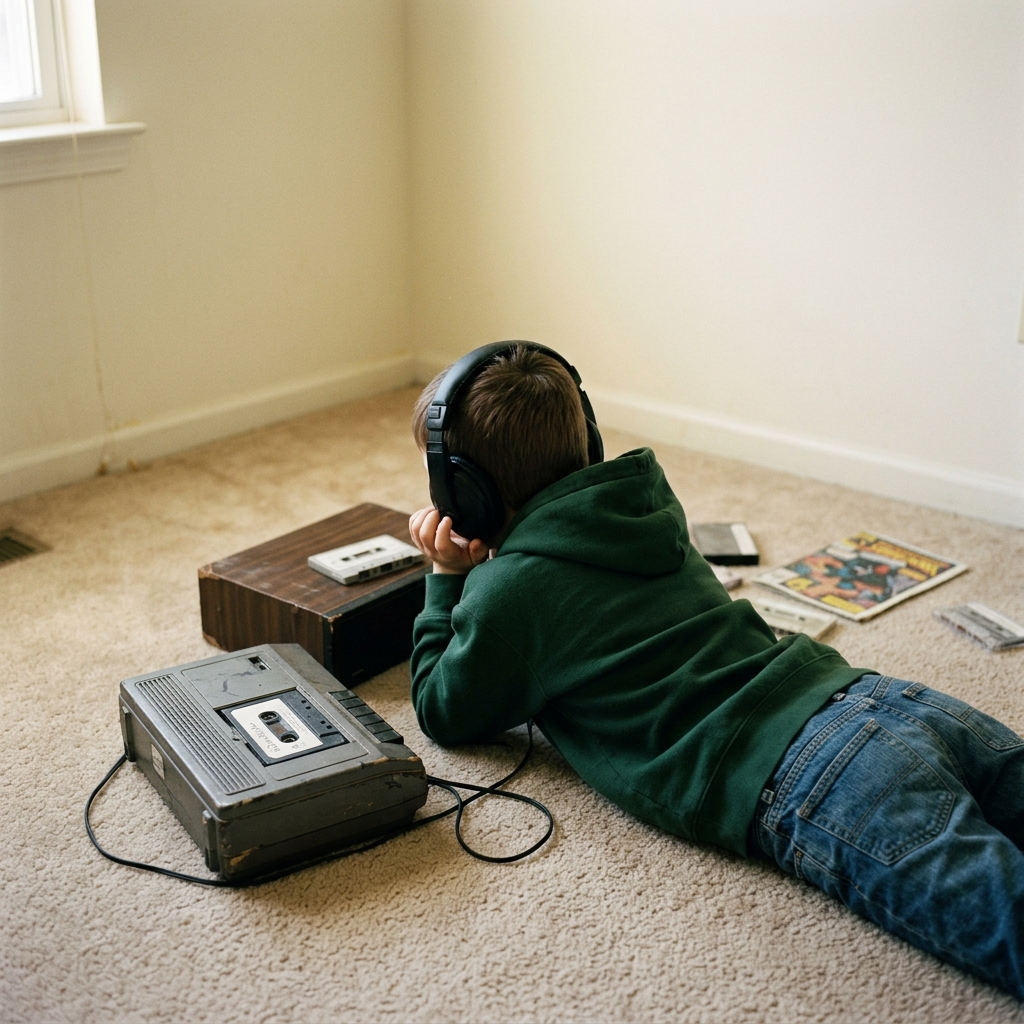
There was no rulebook. There didn't need to be. Every kid with a dual-cassette boombox in their bedroom in 1994 was running the same protocol, transmitted by older siblings and older crushes and the specific friend whose tapes you wanted to copy. We're writing the code down now.
The Source
Rule 1. You record off the radio with a finger on the pause button. The song came on. You lunged. You released pause the millisecond the intro hit, ideally clipping the station ID and not the first guitar note. If you got the song clean, you nodded once, alone in your room, like a sniper.
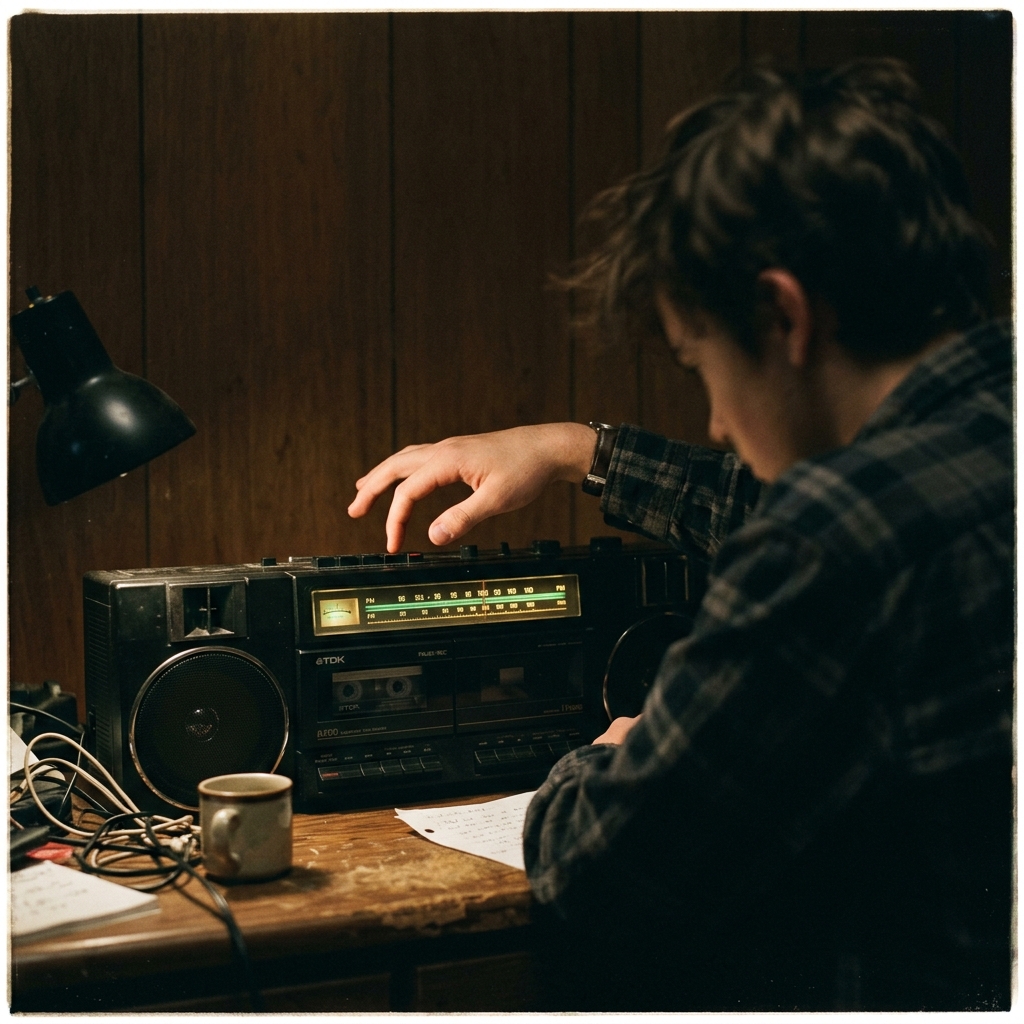
Rule 2. A DJ talking over the intro is a war crime. The take was ruined. You had to wait for the song to come back into rotation, which on a Top 40 station meant 90 minutes, and on an alt-rock station meant possibly never. There is a generation of people who still tense up when a DJ starts talking, and this is why.
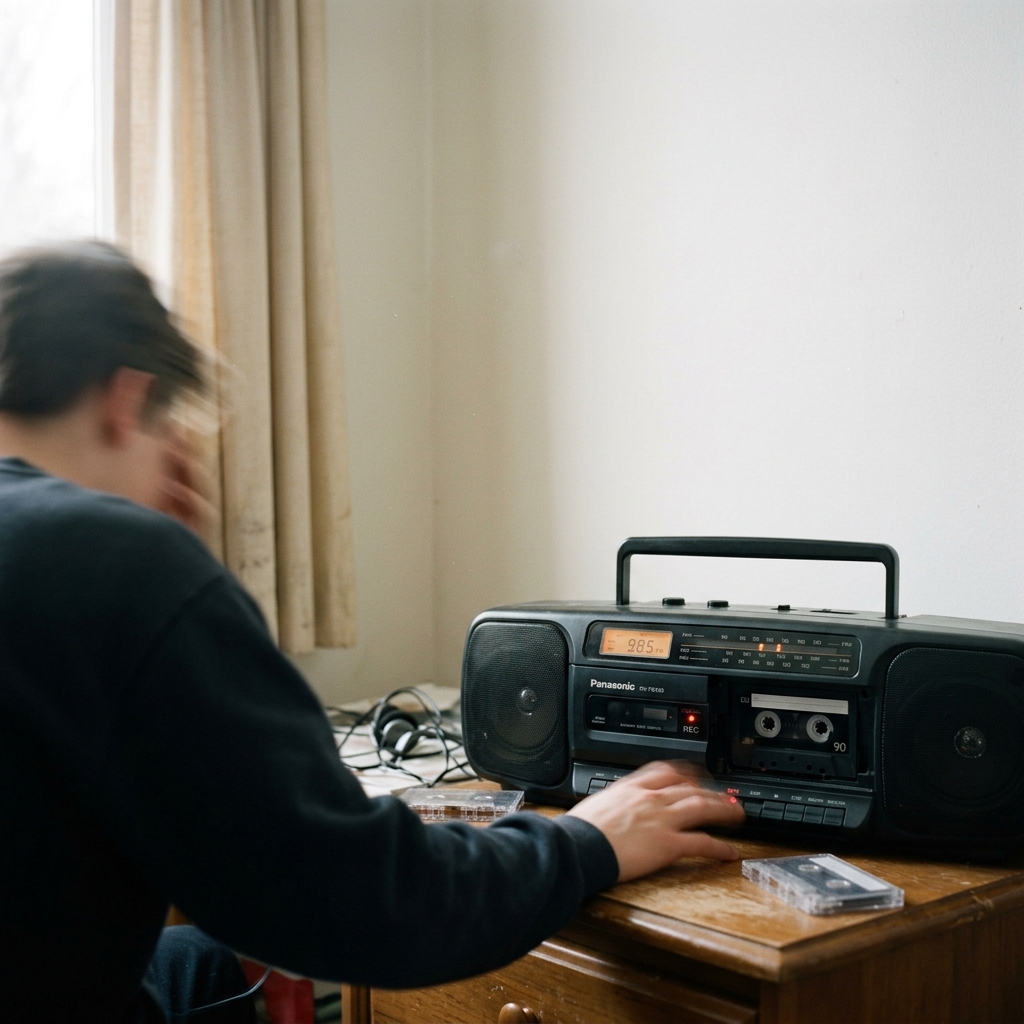
Rule 3. The CD is better, but the radio is the lottery. Recording from a CD was sterile and reliable. Recording from the radio meant you might catch the new Weezer single an hour after it premiered. The tape was an archive of the moment you happened to be in the room. That mattered.
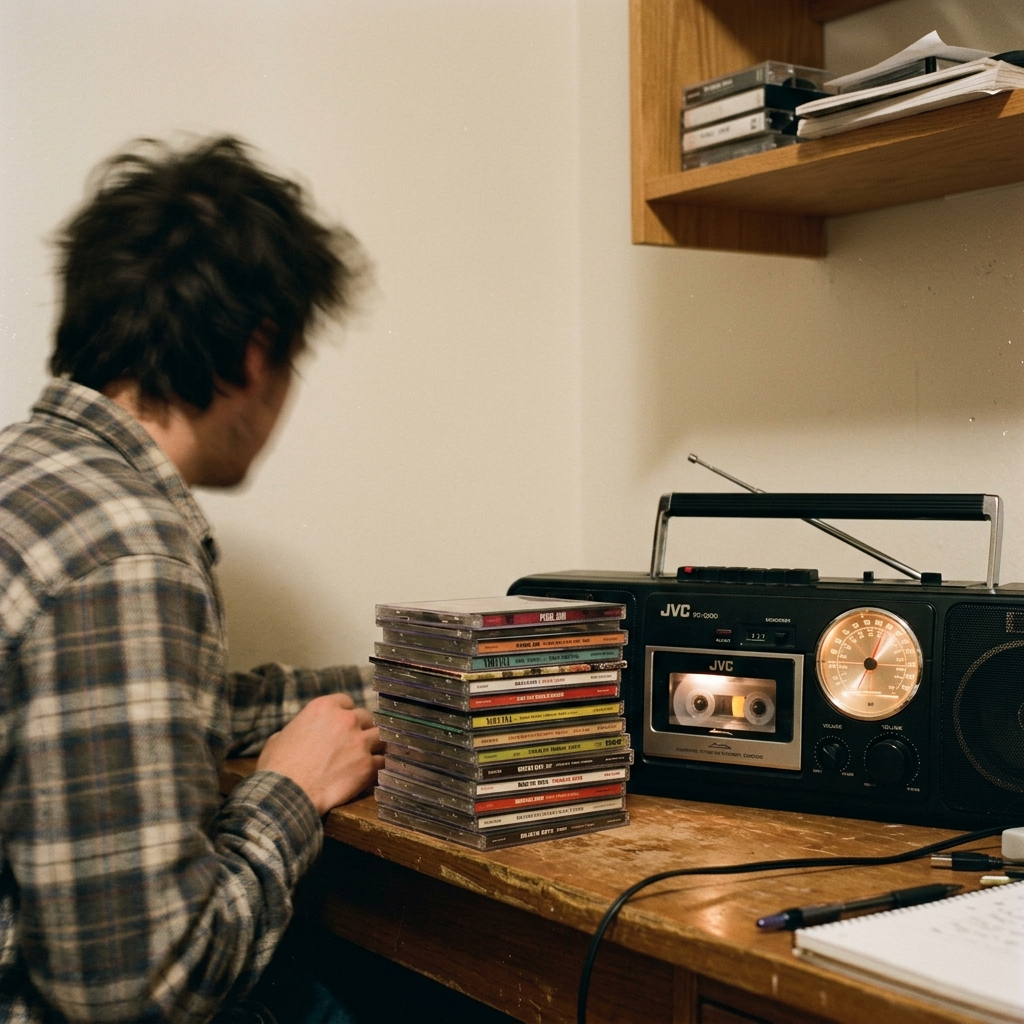
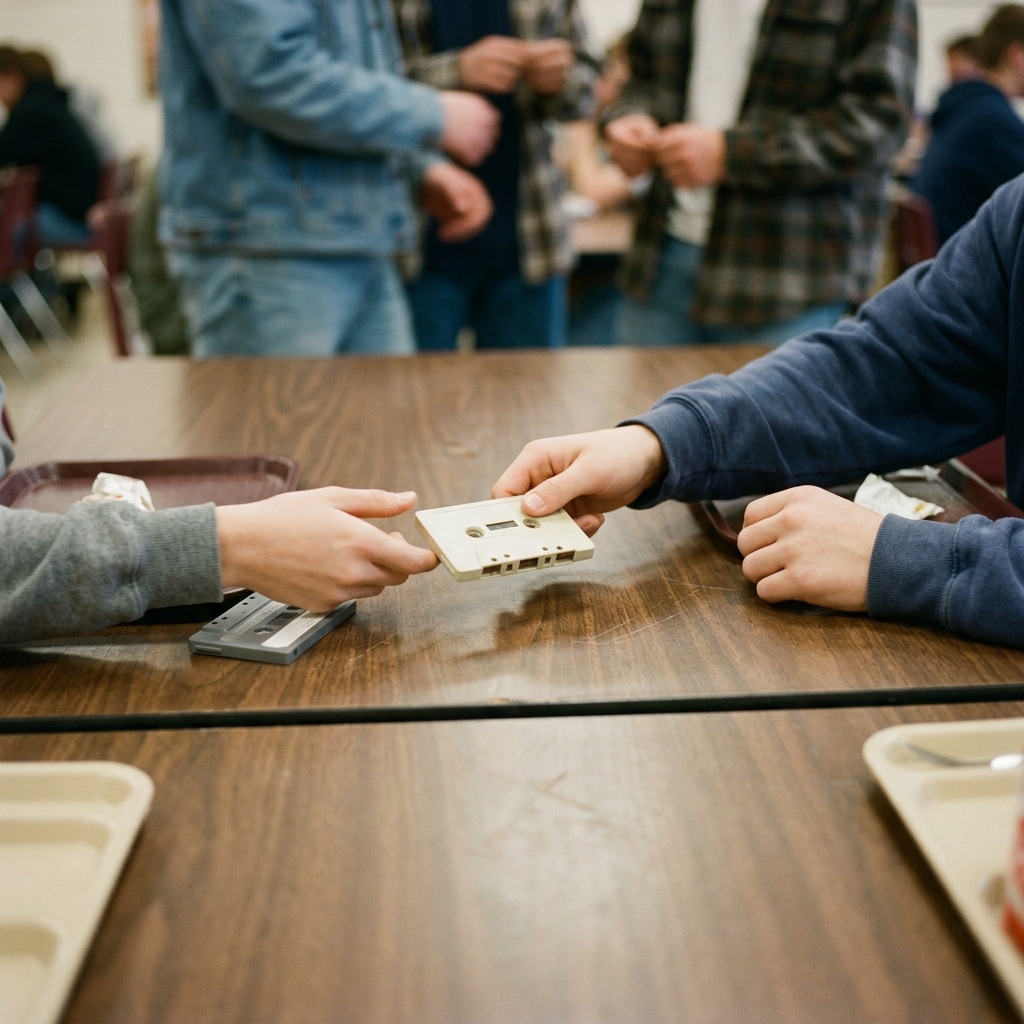
Rule 4. Tape-to-tape dubbing is theft, and the theft is the point. Your friend had the Smashing Pumpkins B-sides import. You had a blank Maxell. The boombox had two tape decks for one reason, and the manufacturer knew it. The RIAA knew it. Everyone knew it. The "high-speed dub" button was a moral question with a clear answer.
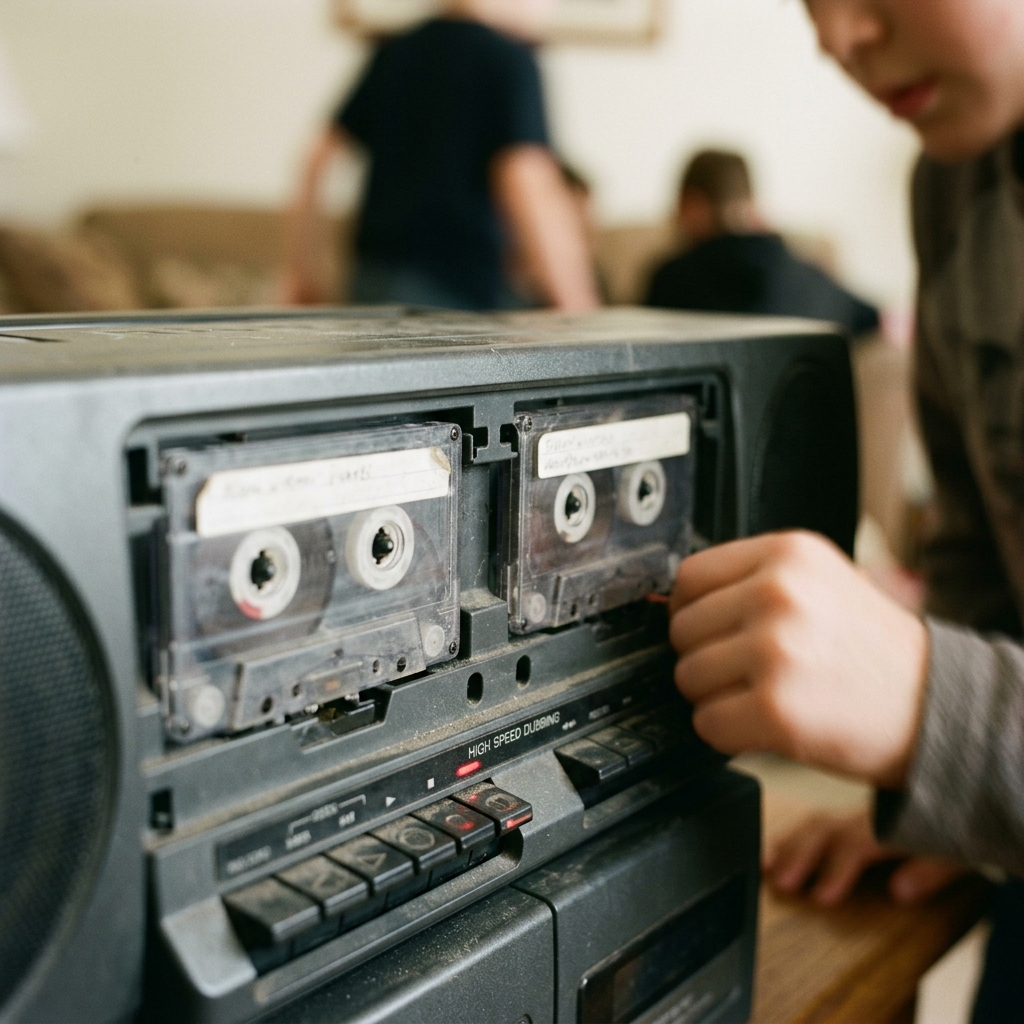
Rule 5. The 60-minute tape is for a single sitting. The 90 is a commitment. 60 minutes meant a workout tape, a car-ride tape, a single-mood tape. 90 minutes meant you were saying something larger. 120-minute tapes existed but the magnetic tape was so thin it would snap on the third listen and you'd be fishing it out of the deck with a pencil. Real ones bought 90s.
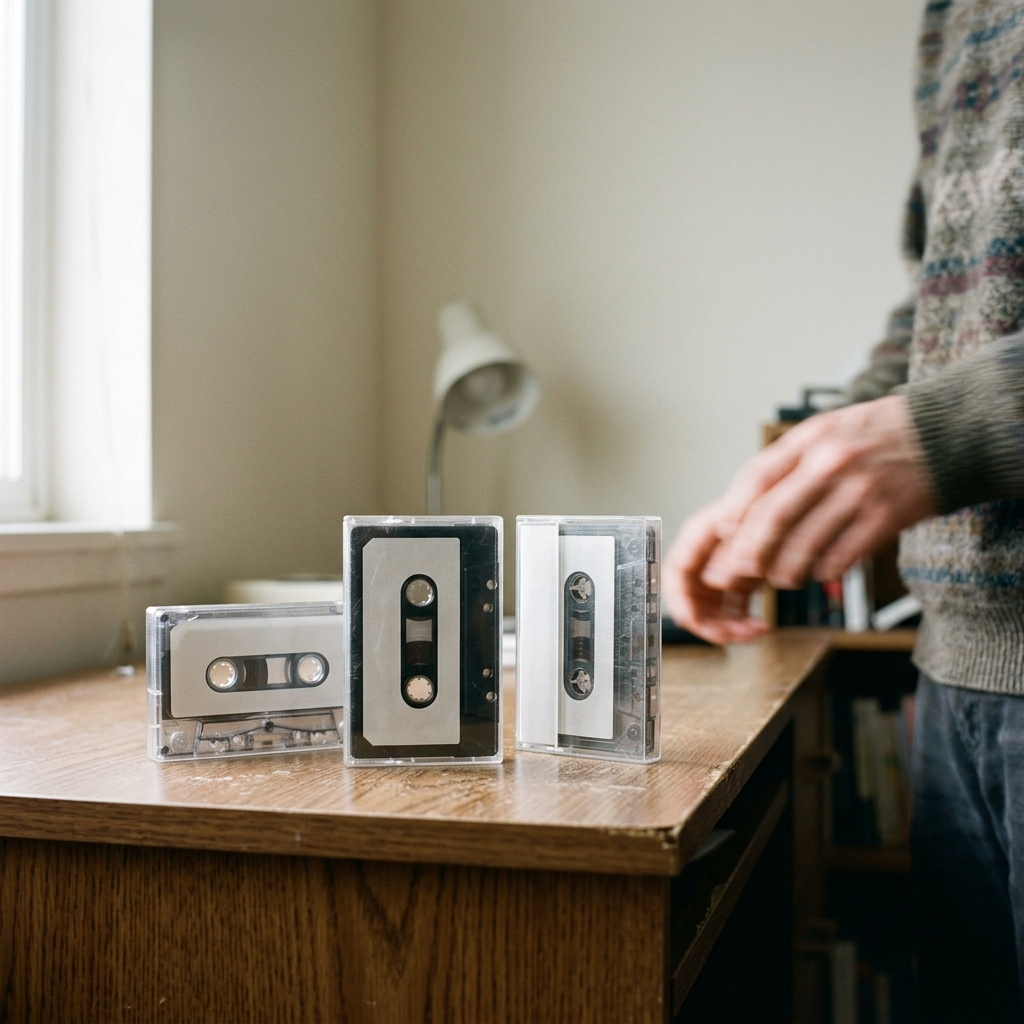
Rule 6. Maxell or TDK. Memorex if you had to. Off-brand if you were being punished. The blank tape brand was a class signal. Maxell XLII was the audiophile pick. TDK SA was the populist pick. Memorex was what your dad bought at the grocery store. The off-brand white-label tapes from the drugstore had audible hiss and warped after a summer in the car.
The Sequence
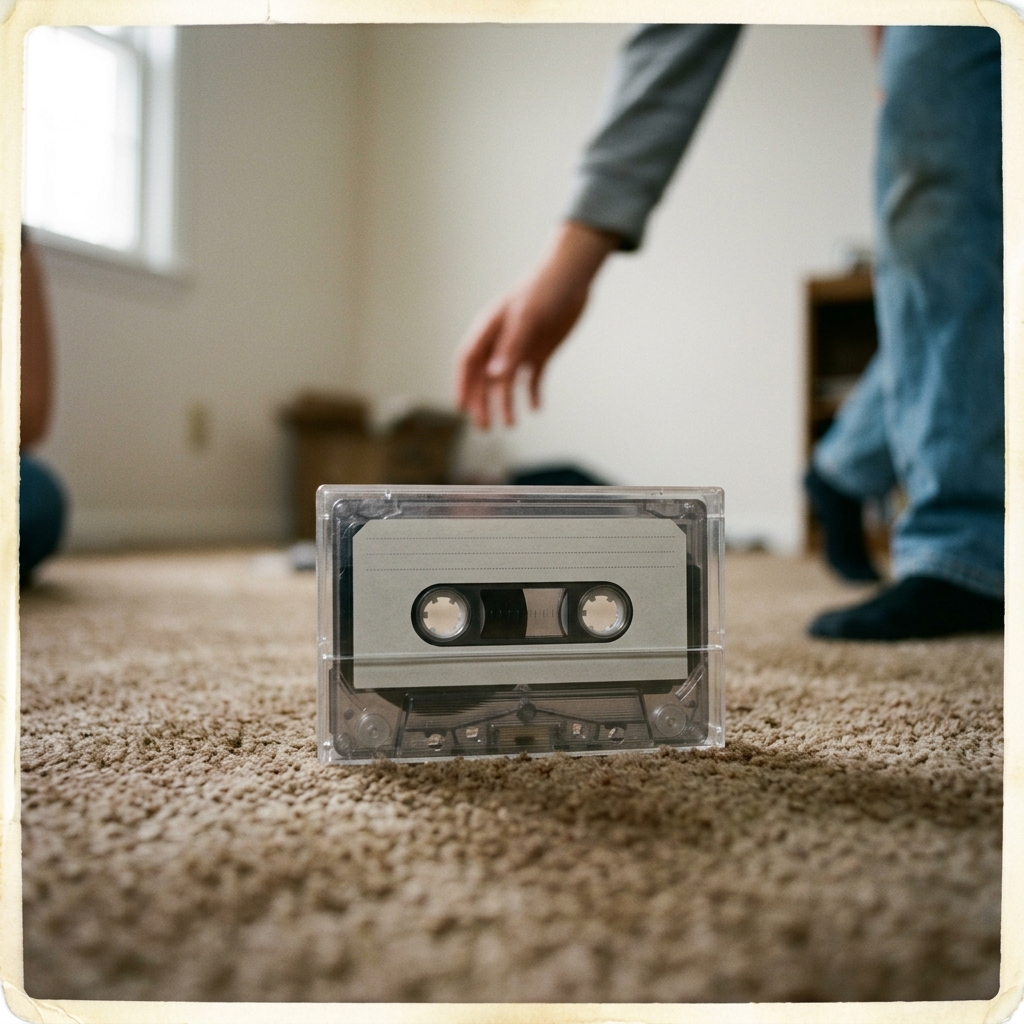
Rule 7. The opener is a thesis statement. Track 1 announces what kind of tape this is. Sad tape, party tape, road tape, I-think-about-you-during-third-period tape. If the listener doesn't know which one it is by 0:45 of Track 1, you have failed at the level of authorship.

Rule 8. No two songs by the same artist. This was non-negotiable. A mixtape with two Pearl Jam songs on it wasn't a mixtape, it was a Pearl Jam tape with other songs on it. The rule forced range. The rule was the whole point. Violators were exposed at the first listen.
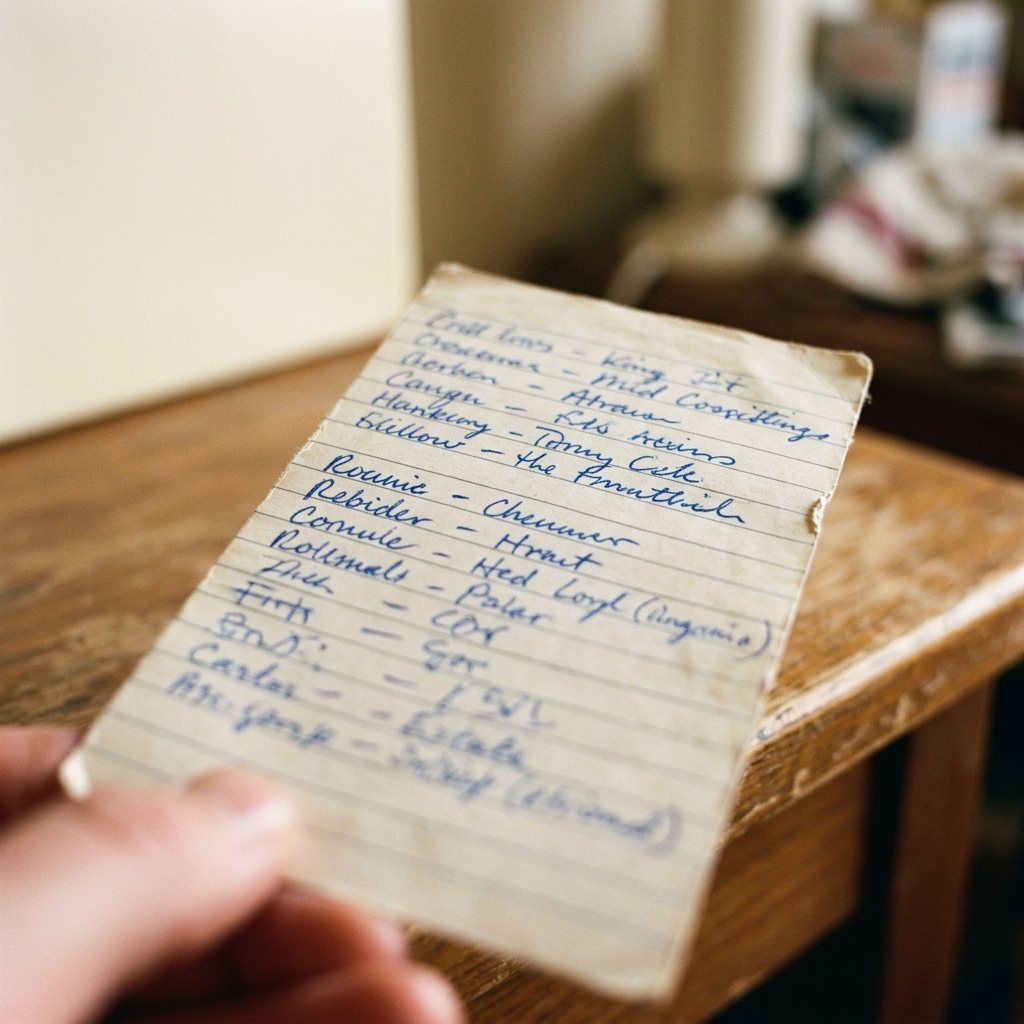
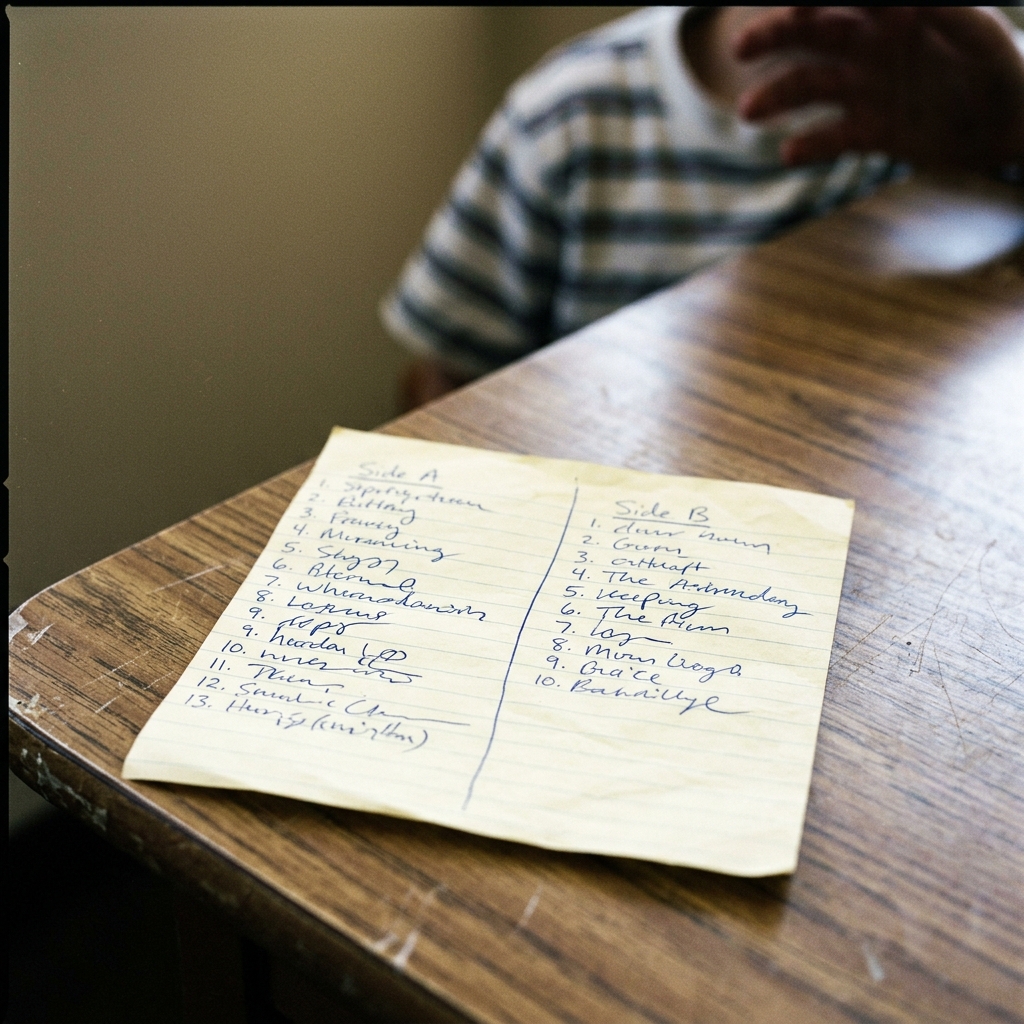
Rule 9. You account for the Side A / Side B flip. This is the rule everyone forgets. Side A could not dead-end on a weak track because the listener had to physically get up, walk to the deck, eject, flip, re-insert, and press play. If the song that triggered that effort was bad, the listener might not flip at all. Side A closed strong. Side B opened strong. The flip was a transition you had to earn on both sides.
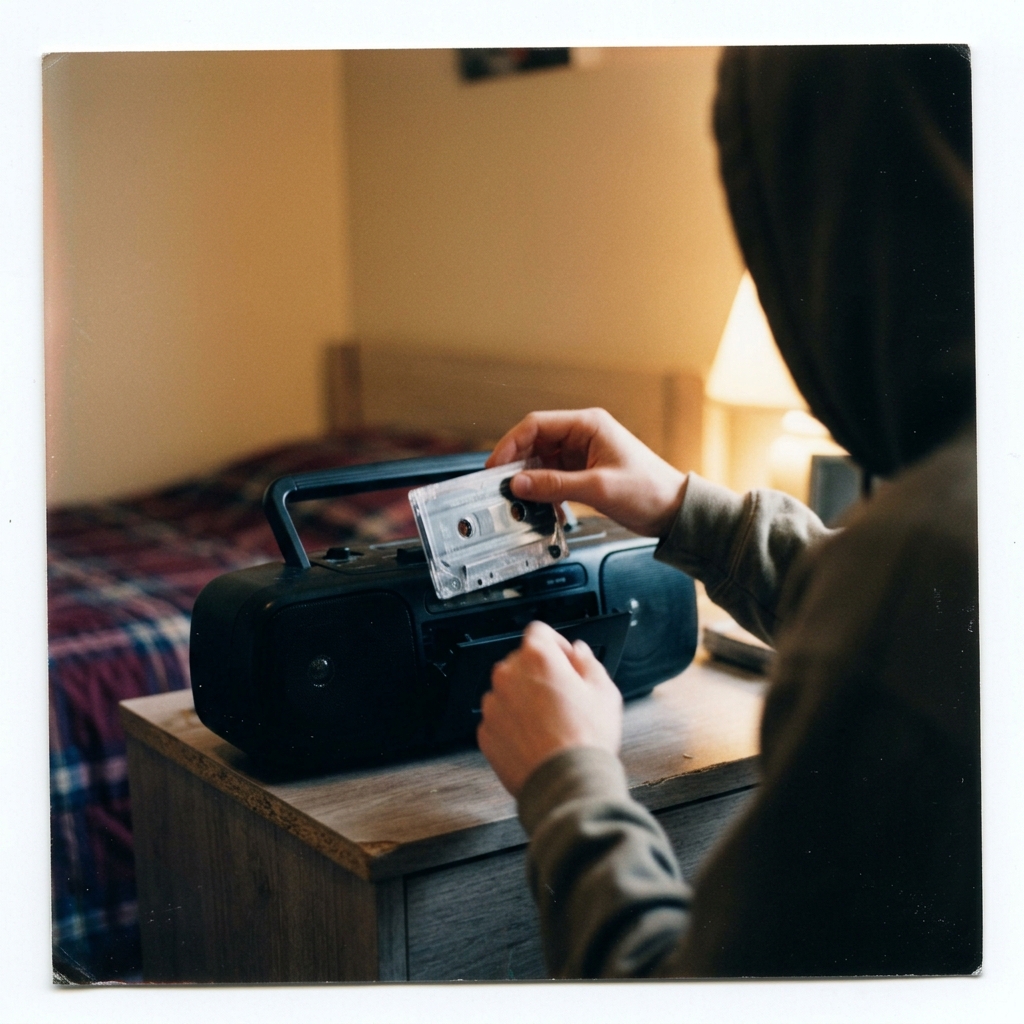
Rule 10. No dead air between songs. You had two options. Either you got the timing surgical and started recording the next song the instant the previous one faded, or you used the pause button to cut tight. Three seconds of silence between tracks meant the listener thought the tape was broken. Dead air was the mark of an amateur.
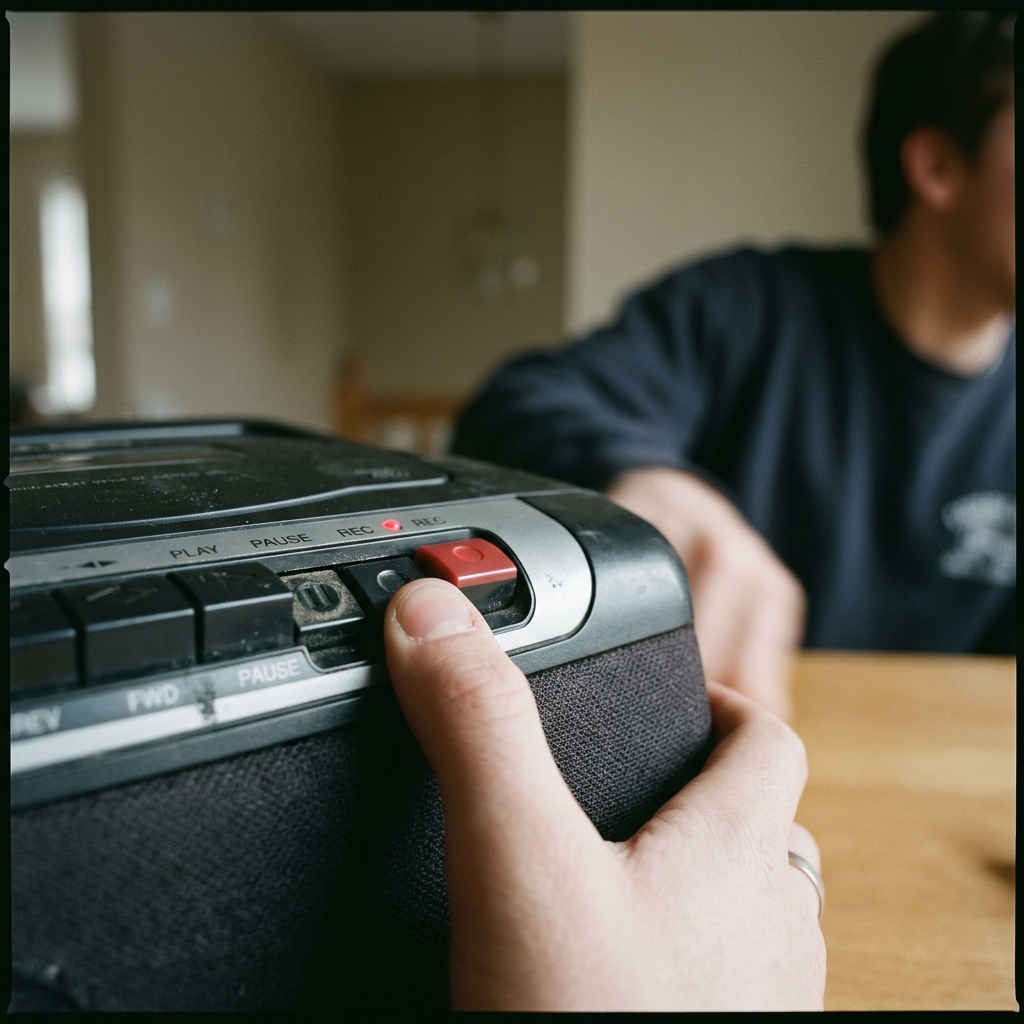
Rule 11. The tape has to end on Side B, not in the middle of a song. You did the math. You picked songs that fit. If your last song was 4:12 and you had 3:48 of tape left, you either swapped in a shorter song or accepted that the last track would cut off mid-chorus, which was the audio equivalent of a typo on a tattoo. Real ones did the math.

Rule 12. The slow song goes at track 4, not track 1. Track 1 sets the tone. Track 2 confirms it. Track 3 escalates. Track 4 is where you allowed the listener to feel something they weren't expecting. This was the architecture. Anyone who put the slow song first was making a sad tape, which is a different format with different rules.

Rule 13. You listen to the whole thing back before you give it away. In real time. 90 minutes. No skipping. Because the only way to know if the levels were right, the transitions worked, and you hadn't accidentally caught a Honda commercial in the back third was to sit through it. If you found a flaw, you started over. Many tapes were started over.
The Artifact
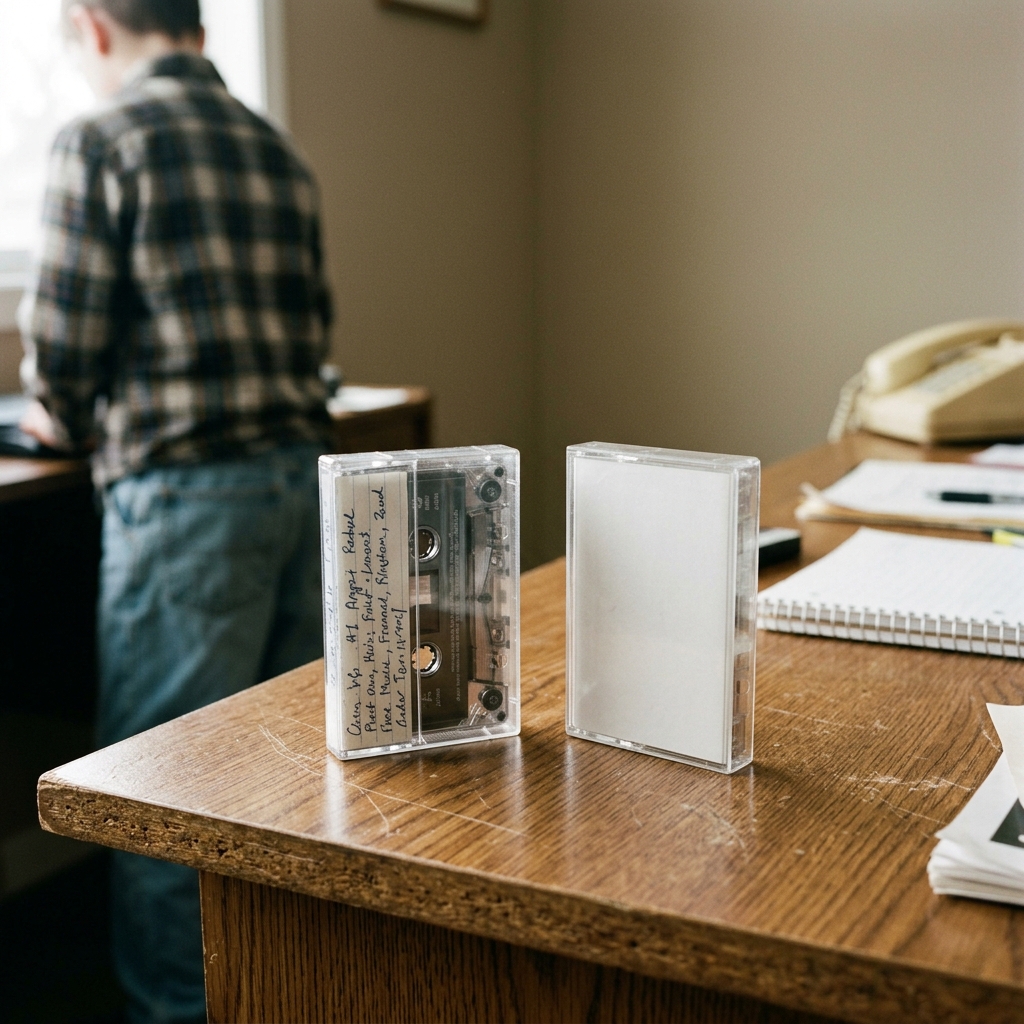
Rule 14. The J-card is the liner notes. That little folded paper insert in the cassette case was your album art, your tracklist, and your byline. You wrote it in pen. You wrote it in your best handwriting. You decorated the margins. If you typed it on a computer and printed it out, you were a coward and the tape was diminished.
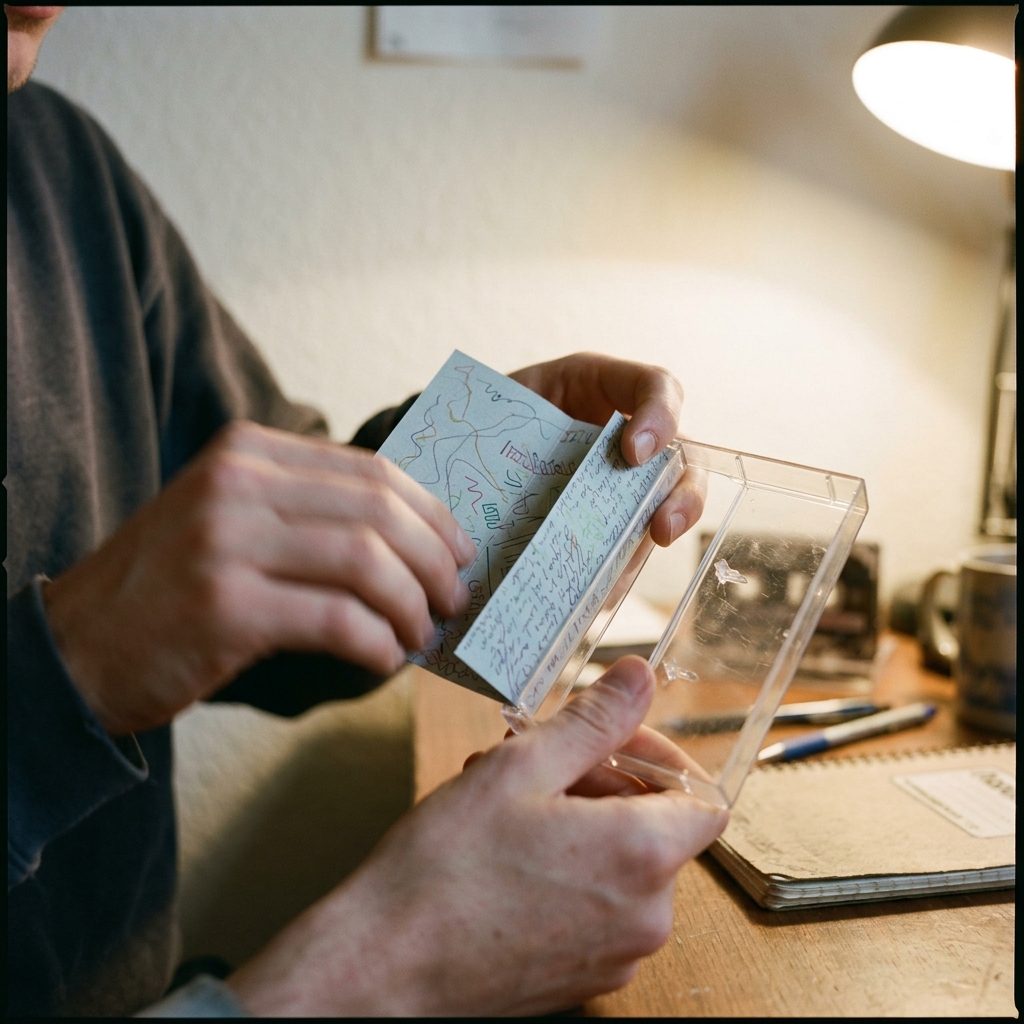
Rule 15. The track list is proof of effort. The recipient could see, in your handwriting, how long you had spent on this. Twenty-two songs, all titled correctly, artist names spelled right, side breaks marked. The J-card was the receipt. The receipt mattered as much as the tape itself.
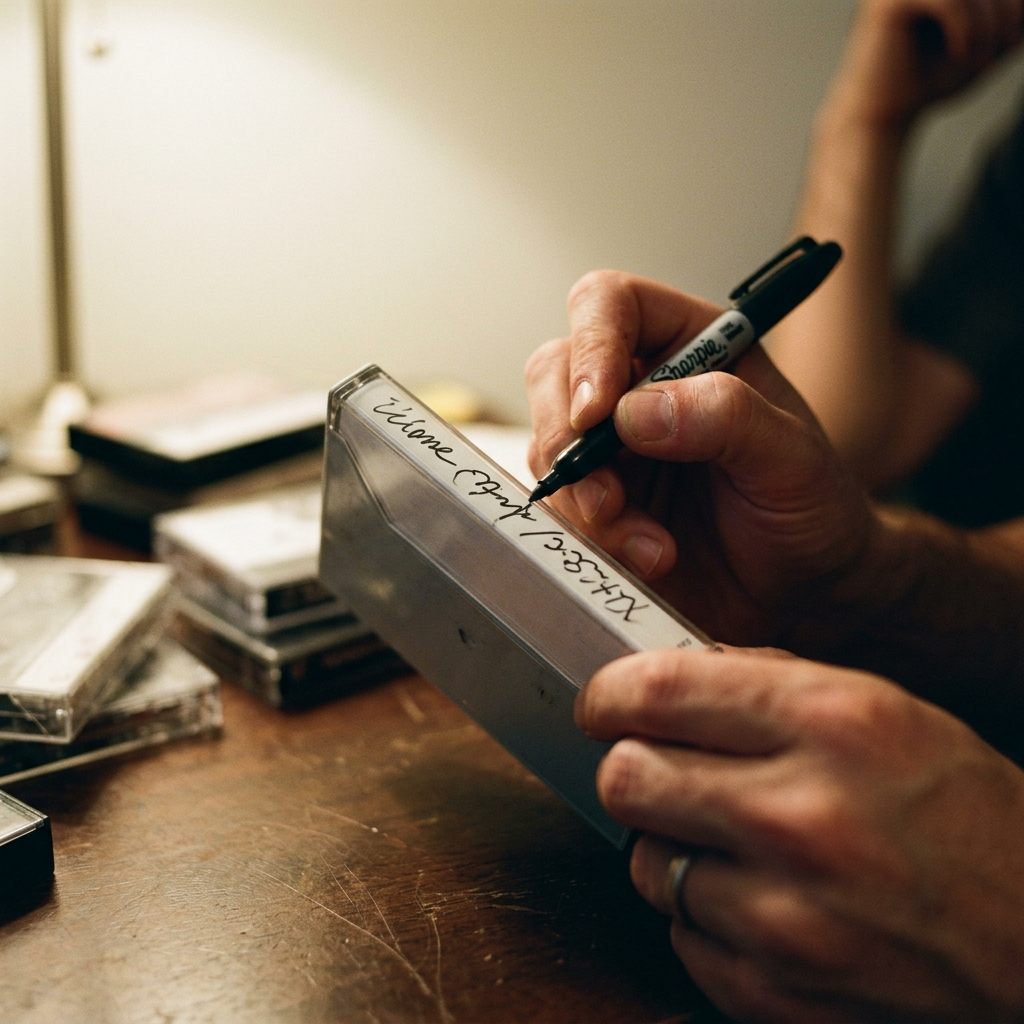
Rule 16. The title is on the spine, in Sharpie, in your handwriting. This was so the tape could be found in a stack on a passenger seat. The title was a tone. "Songs for the Drive," "August 96," "Don't Listen With Other People Around." A tape without a spine title was a tape that would get lost.
Rule 17. You never make the same mixtape twice. Even if you wanted to. Even if the first one was perfect. The act was one-shot. Recreating it for someone else cheapened both copies. If the first recipient found out, that was a social event.
Rule 18. The mixtape made for a crush is a confession. You could not take it back. Once handed over, the tape entered evidence. The song choices were testimony. Track 4 was the slow song and they knew you knew it. If you put "I Will Always Love You" on it, you had filed paperwork. Many friendships ended at Track 4. Many didn't.
Rule 19. The mixtape returned to you is the worst thing that can happen. Worse than no response. Worse than a polite thanks. Receiving your own tape back, with the J-card slightly bent, was a verdict with no appeal. The tape went into a drawer. The drawer stayed closed for years.

Rule 20. The hidden track at the end of Side B is the postscript. Three minutes of silence after the last labeled track, and then one more song. Unannounced. Not on the J-card. The recipient finds it the third or fourth listen, alone, and that's the song that meant the most. This is the rule most people forget. The hidden track was the entire point.
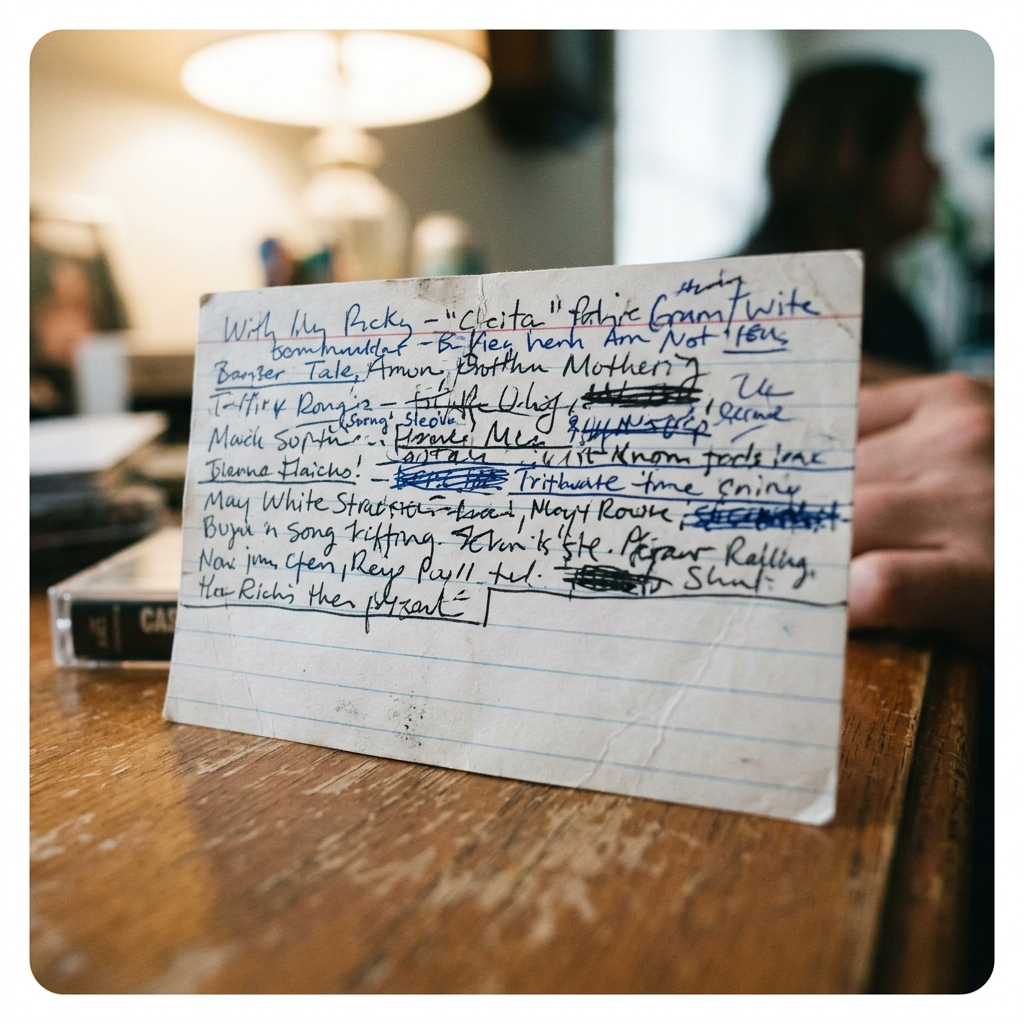
The mixtape was a four-hour, real-time, one-shot artifact made by a kid alone in a bedroom with a finger on a pause button. It could not be undone. It could not be reordered after the fact. It could not be sent to two people at once without being remade from scratch. Every decision was final and every flaw was permanent and the recipient could see, on the J-card, exactly how long it had taken you.
The playlist replaced all of it with something frictionless. You can build a playlist in eleven minutes, share it with everyone you know simultaneously, reorder it after they've already heard it, and add or remove tracks based on how they responded. There is no J-card. There is no spine. There is no Side A and there is no flip. There is no proof of effort because there was no effort.
The friction was the love. That's the whole thing. The 90s mixtape was an unsupervised, labor-intensive declaration of taste made by a kid who had nothing but time and one shot to get it right, and the cost of making it was the message. We replaced it with something cheaper and called that progress.
It's now written down, because somebody had to.
🖼️ Get the rules on your wall: The 90s Mixtape Rules — print poster
This article is part of a series on the 90s things that didn't survive. See also: The 90s summer kid rules, written down and 37 discontinued 90s snacks, ranked.