The 90s summer was the largest unsupervised social experiment in American suburban history. Tens of millions of kids were turned loose into neighborhoods by 9am and recovered by dusk, more or less, give or take a finger.
There was no official rulebook. There didn't need to be. Every neighborhood ran on the same code, transmitted orally by older siblings and enforced by the specific Karen on each block who would call your mother. We're writing the code down now, three decades late.
The Code
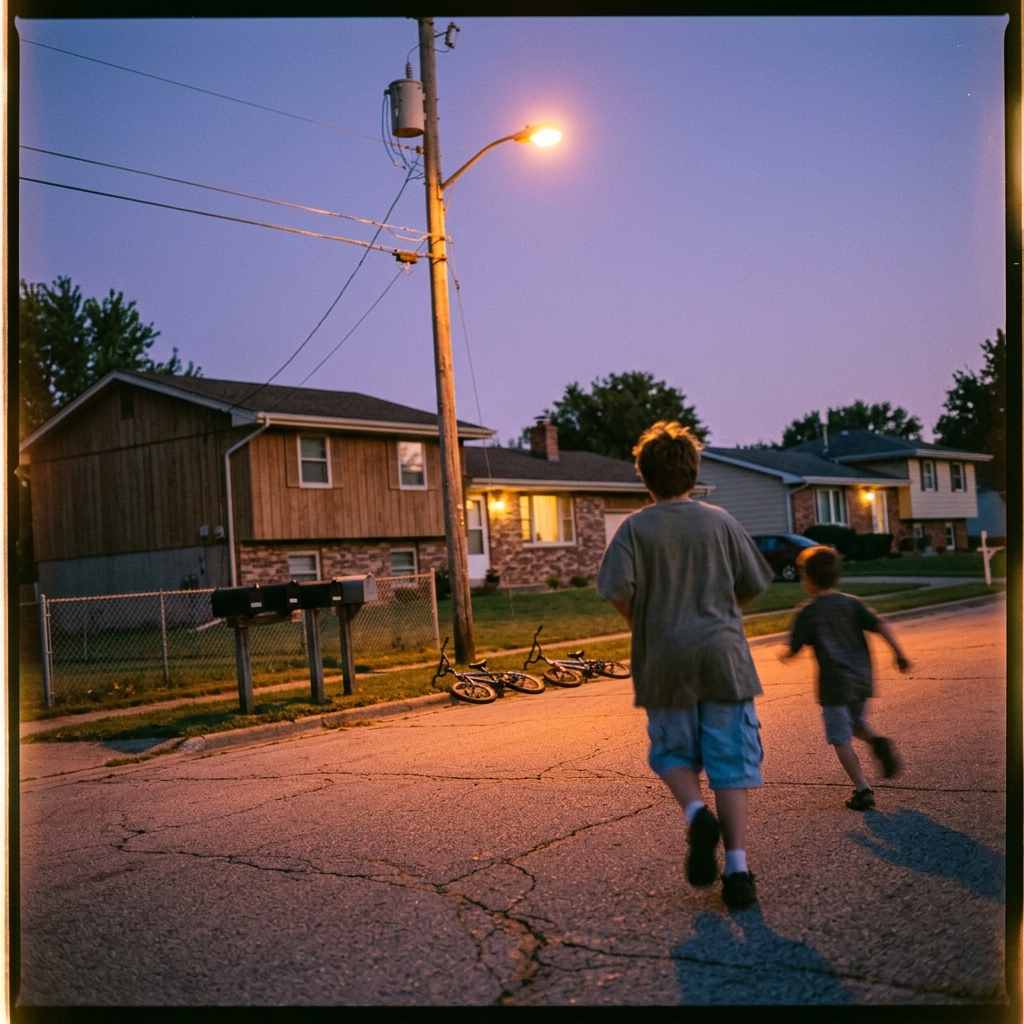
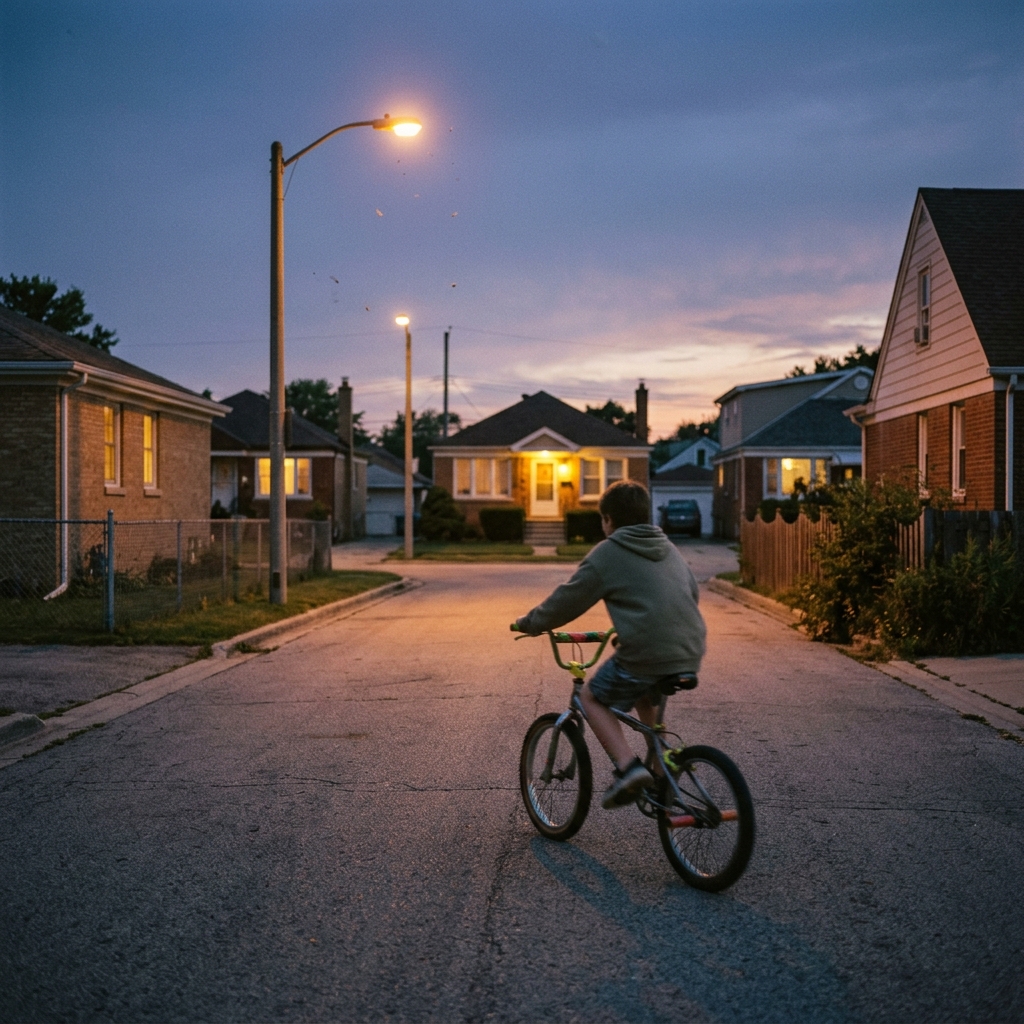
Rule 1. The streetlight is the clock. You did not own a watch. Your bike did not have a clock. The clock was the streetlight on the corner. When it came on, you were already late.
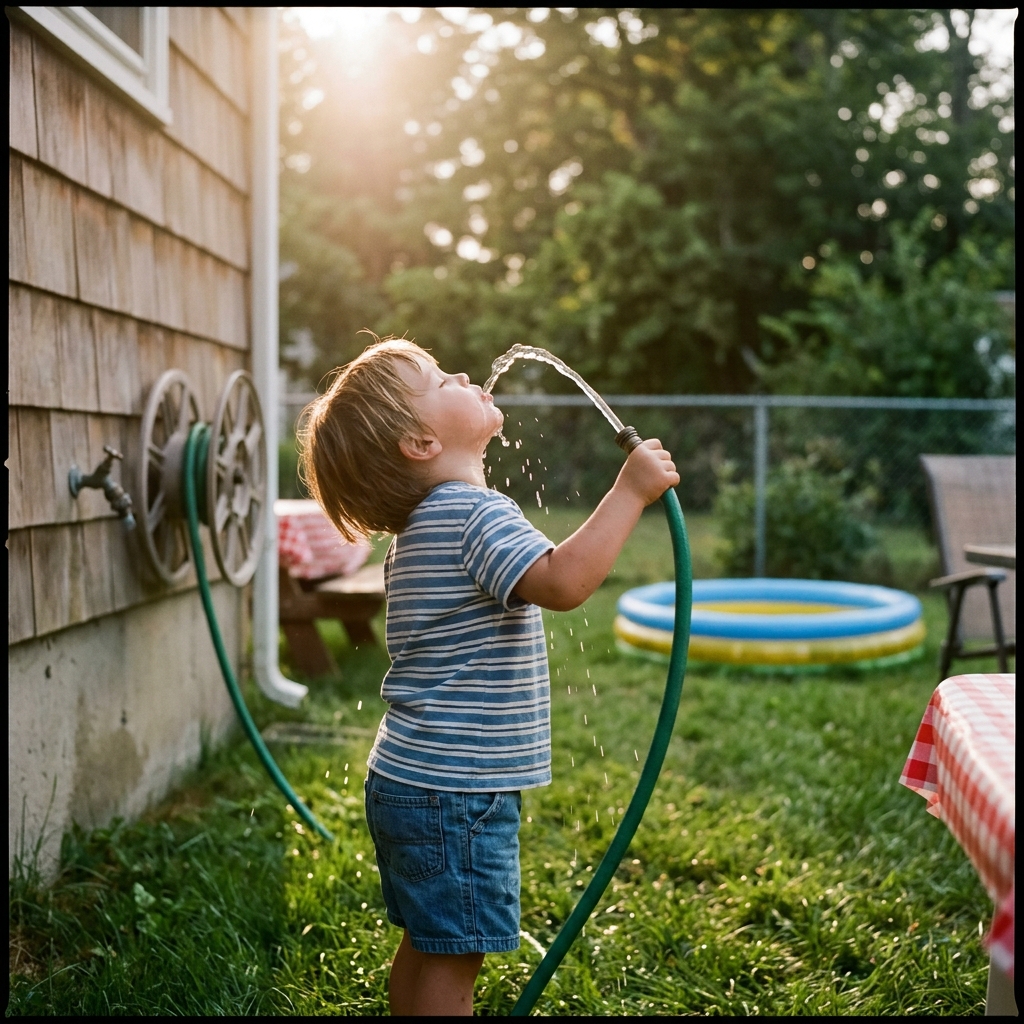
Rule 2. You drink from the hose. Going inside for water was admitting weakness. The hose ran hot for the first eight seconds — that was the test. After that it was cold, plastic-tasting, and free.
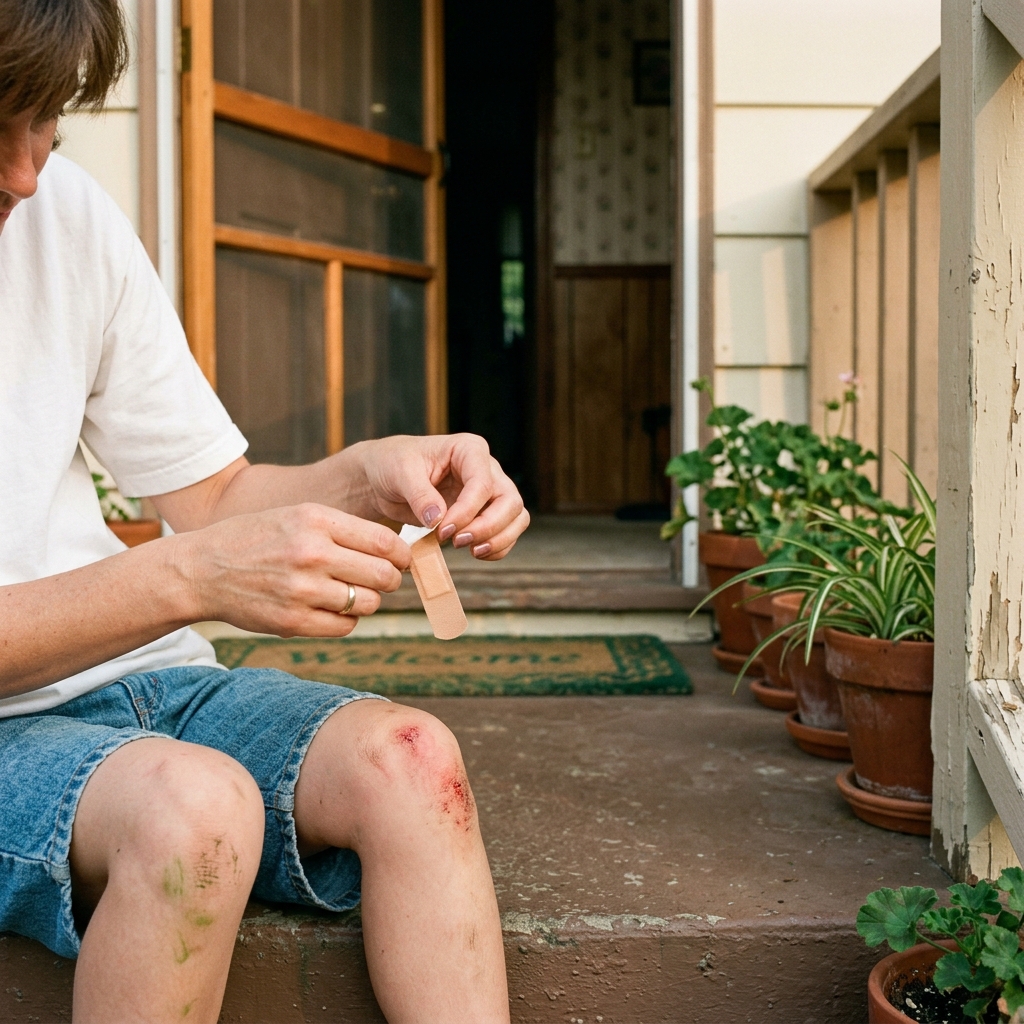
Rule 3. If you bleed, find an adult — but not your own. Your own adult would make a thing of it. The adult two houses down would put a Band-Aid on it and send you back out. This was the system working.
Rule 4. The neighbor's kid is now your responsibility. Walked over to play at 9am. Stayed all day. Their parent was at work. You shared lunch, which was whatever was in your kitchen. Nobody made a phone call about this. It was just understood.
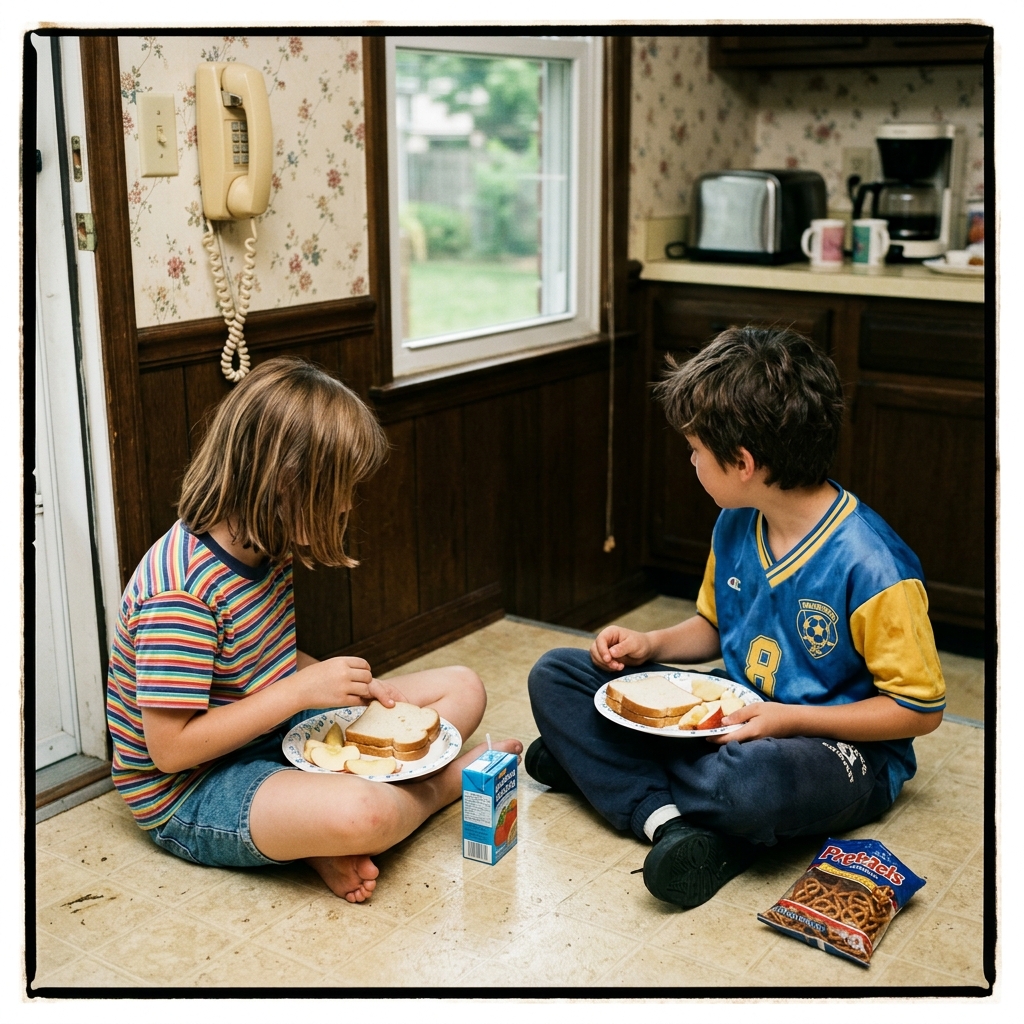
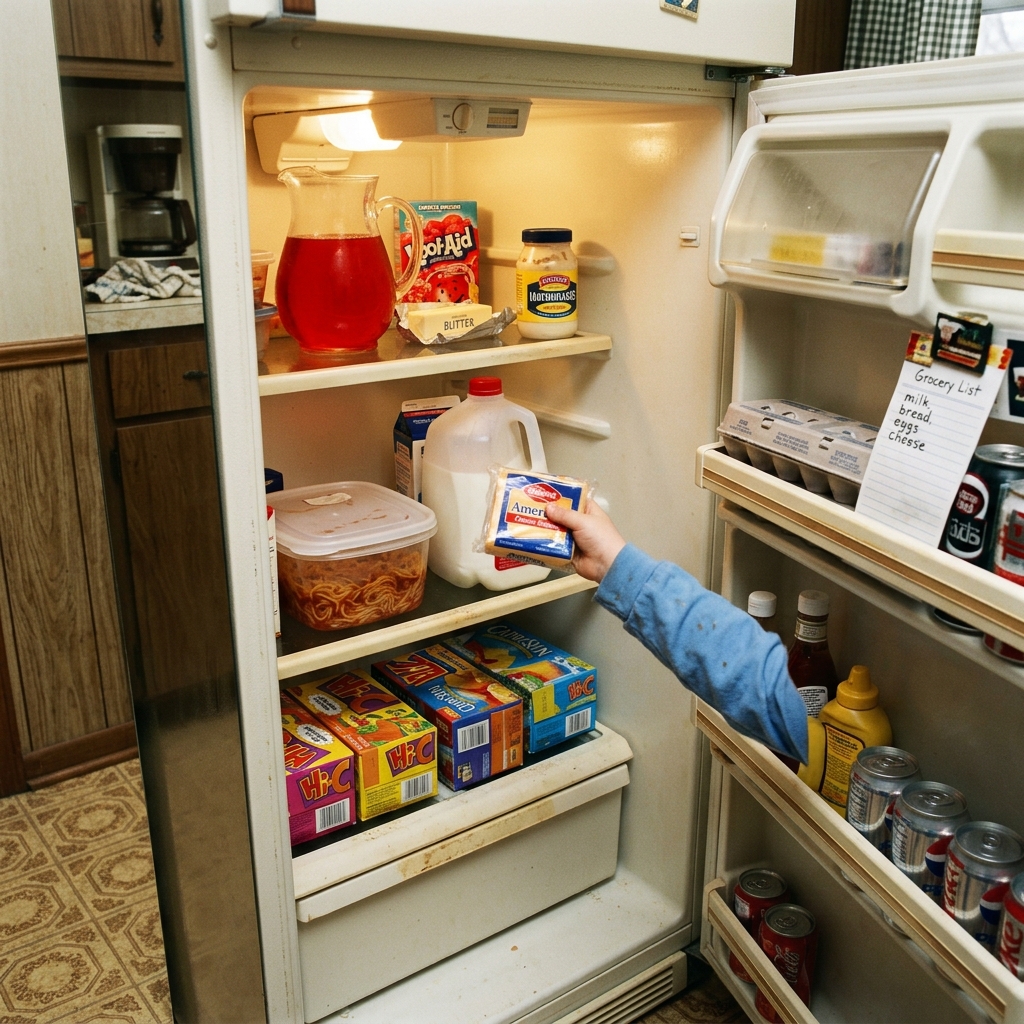
Rule 5. Lunch is whatever is in the fridge between 11 and 2. A meal was not a meal. A meal was a juice box, three crackers from a sleeve, and a slice of American cheese eaten standing up. The kitchen was an open file system. Don't take the last of anything obvious.
Rule 6. You wear a helmet only if there's an adult watching. This was a child-led safety policy. The helmet was kept in the garage and brought out for the driveway portion of the trip. The actual bike ride happened helmetless. The adults knew. We knew they knew. They let it slide because the alternative was hearing about it.
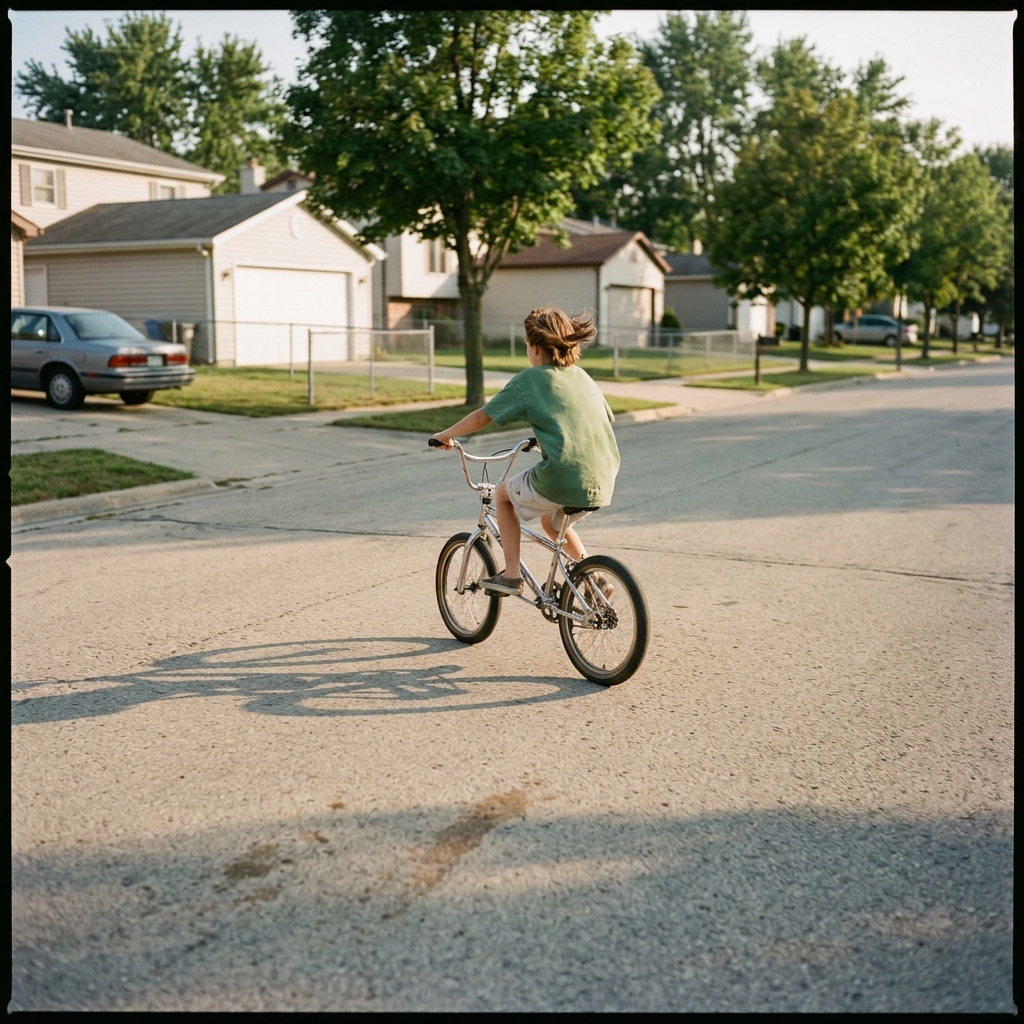
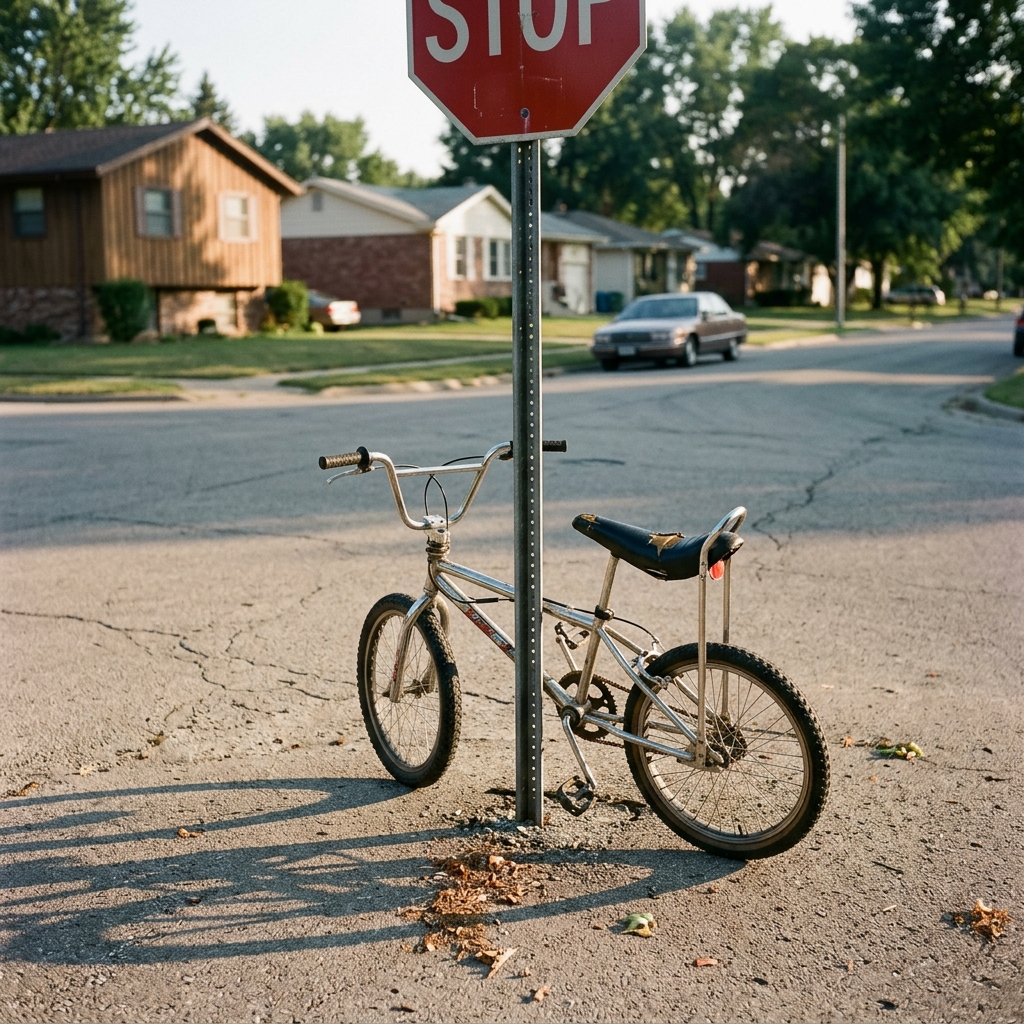
Rule 7. Your bike is your car. Treat it accordingly. Lock it (sometimes). Park it somewhere visible. Do not leave it on the lawn upside-down because that means a chain falls off and you have to walk it home, which is the lowest form of transportation defeat.
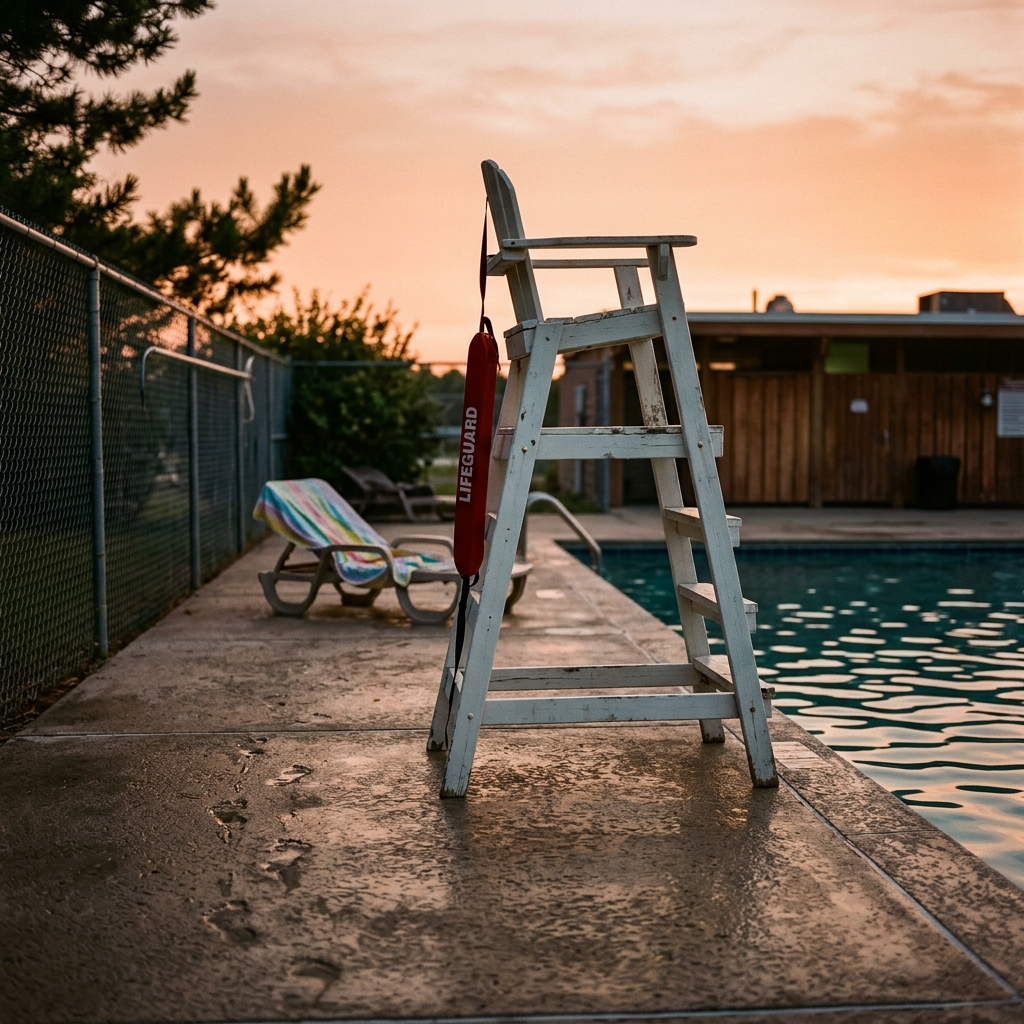
Rule 8. The pool closes at sunset, whether the lifeguard says so or not. Same with the creek, the rope swing, and the part of the woods with the abandoned shopping cart. There was a regulatory framework. You learned it from older kids. The lifeguard was a polite suggestion.
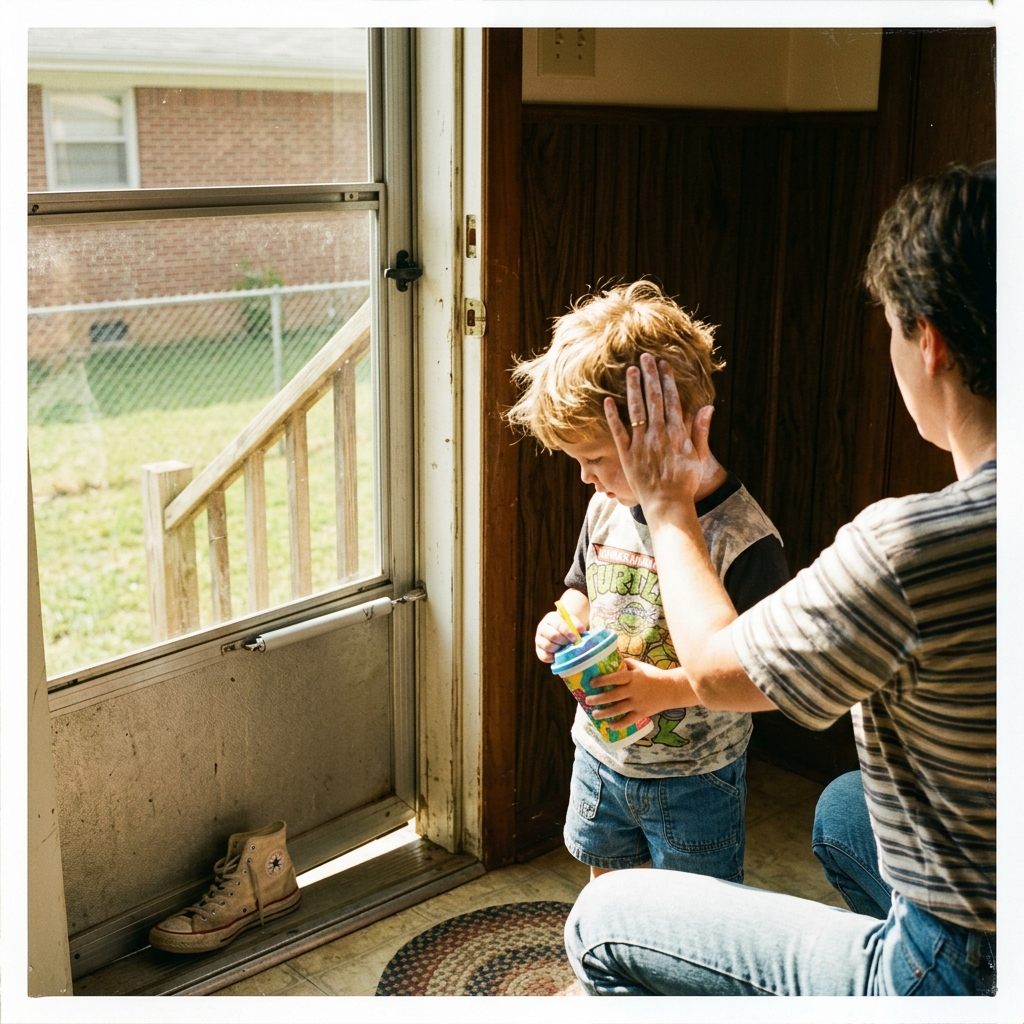
Rule 9. Sunscreen is a one-time event at 9am. Applied by a parent at the doorway, like a cathedral blessing. Wore off by 11. Reapplication was a foreign concept. By August, you were the color of a baseball glove and nobody had a position on it.
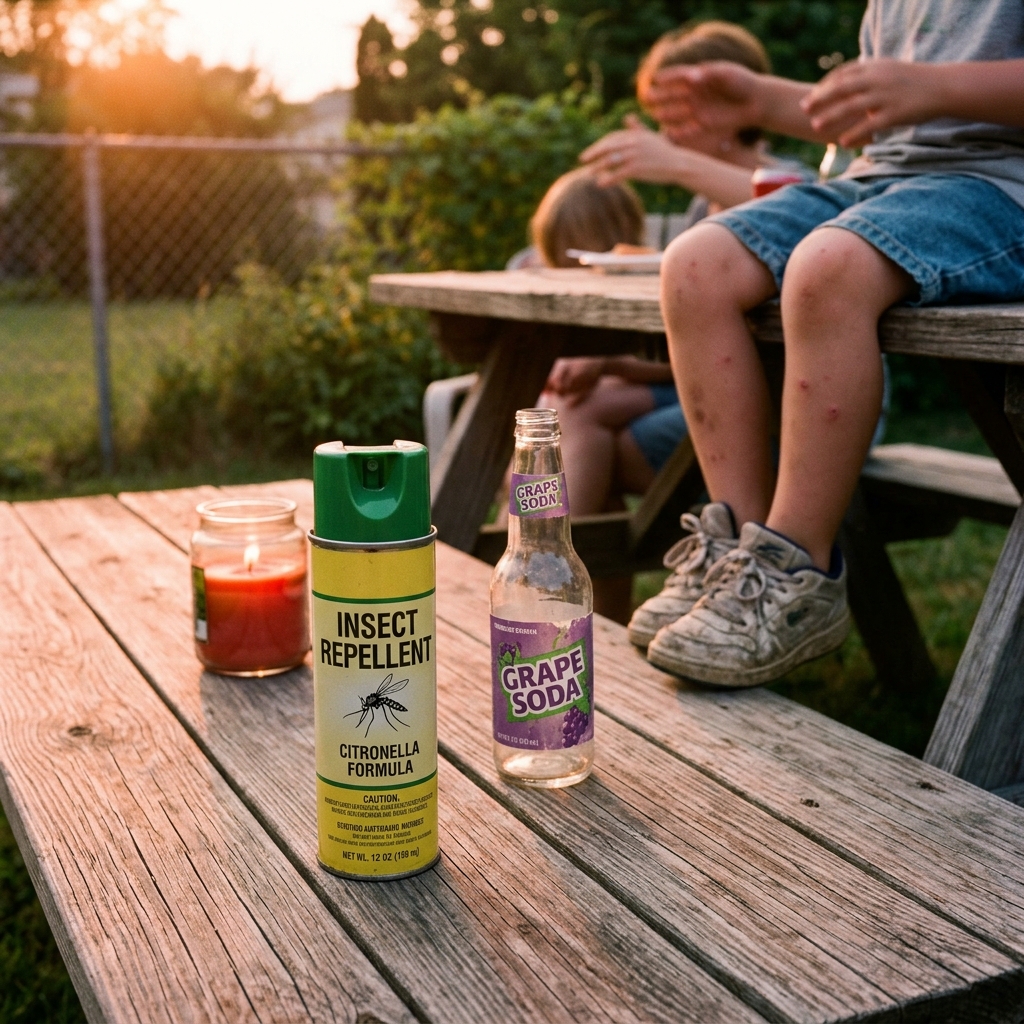
Rule 10. Bug spray is for grandma. It smelled like a hospital and it ruined your scent profile for the whole afternoon. You took the mosquito bites. That was the deal.
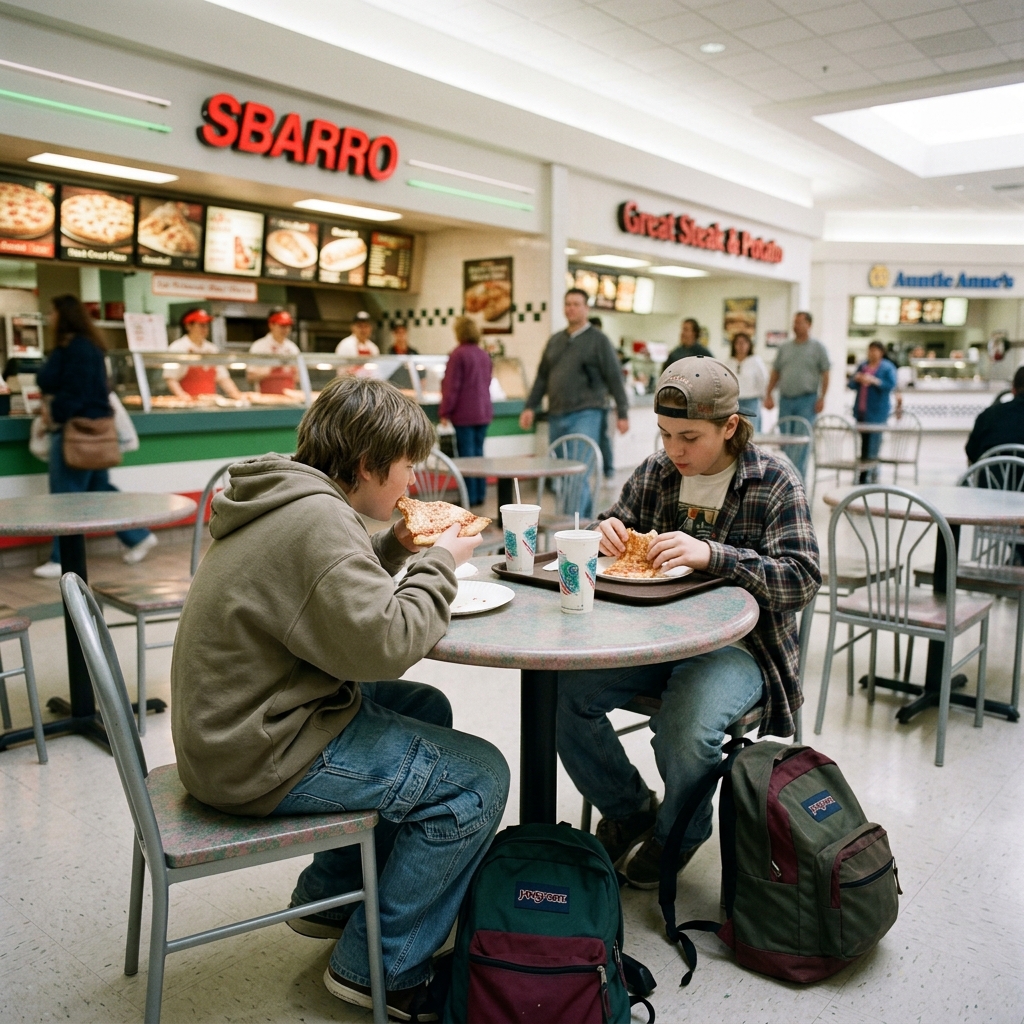
Rule 11. The mall is a place of business, not a babysitter. This rule was widely violated. The food court had air conditioning and a Sbarro. Two dollars and four hours of dignified loitering would get you through the worst heat of the day. The security guards rotated; you learned their patrol cycles.
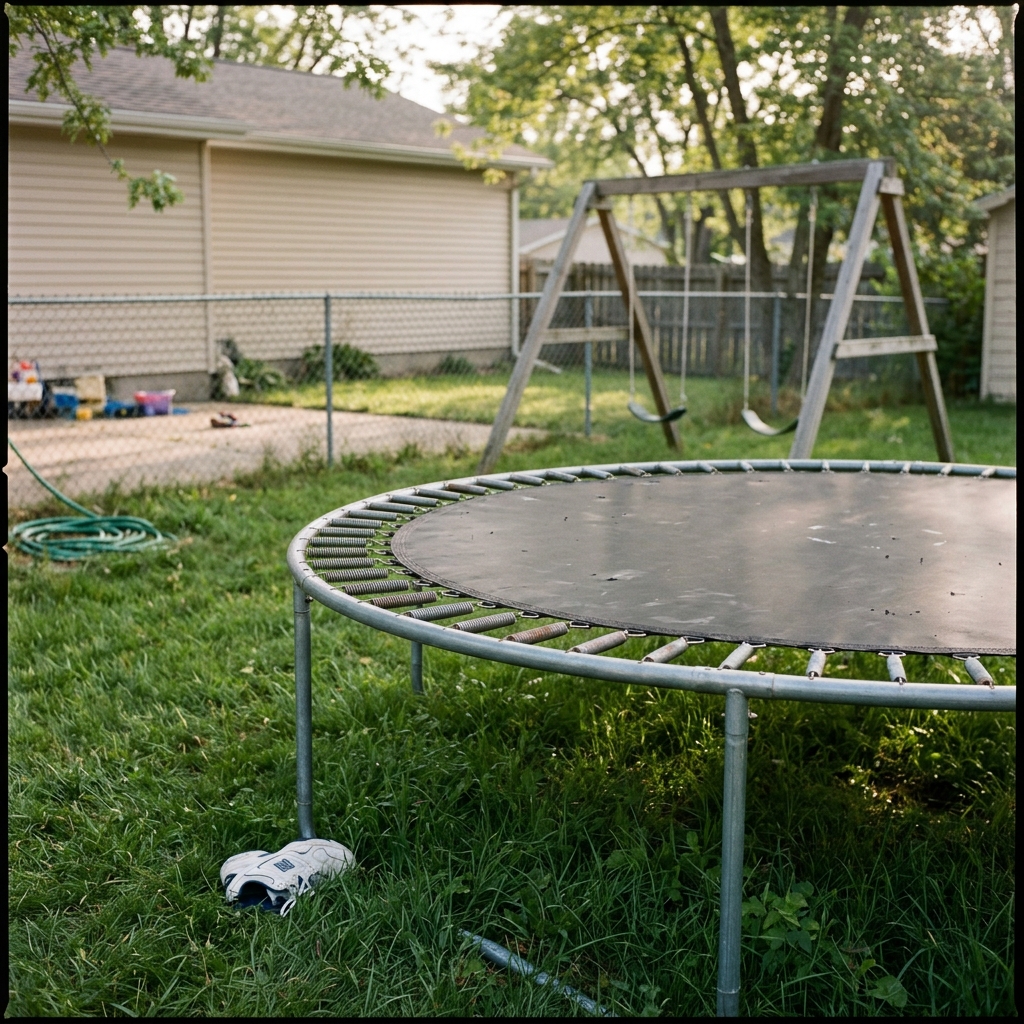
Rule 12. The trampoline does not have a net. The trampoline knows what it's doing. The trampoline was located between the swing set and the chain-link fence. It was a teaching environment. If you came off the trampoline, you had been taught.
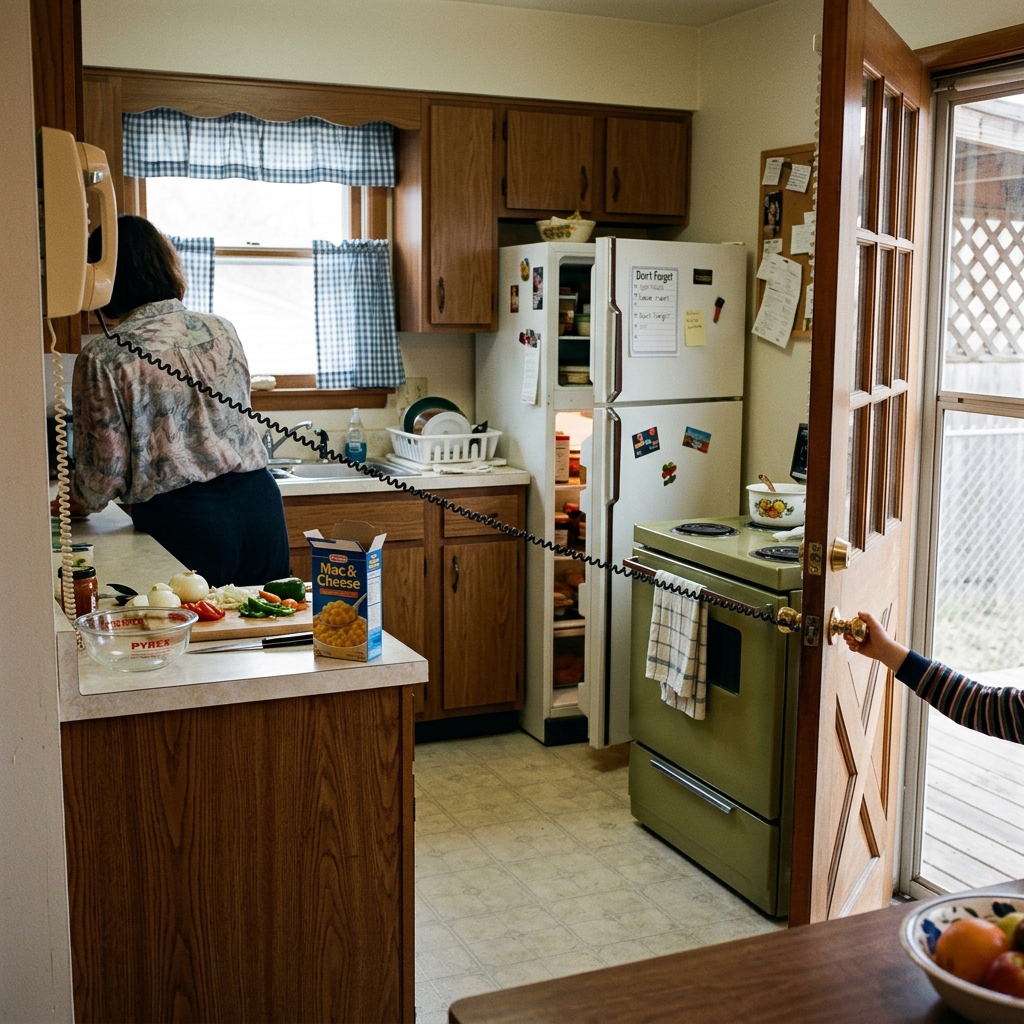
Rule 13. If the parent is on the phone (corded, in the kitchen), you are invisible. The corded phone was a 6-foot leash. The parent could not leave the kitchen. This was your window. Whatever you needed to do — sneak the freezies, get the bike out, ask the harder question — happened in those 14 minutes.
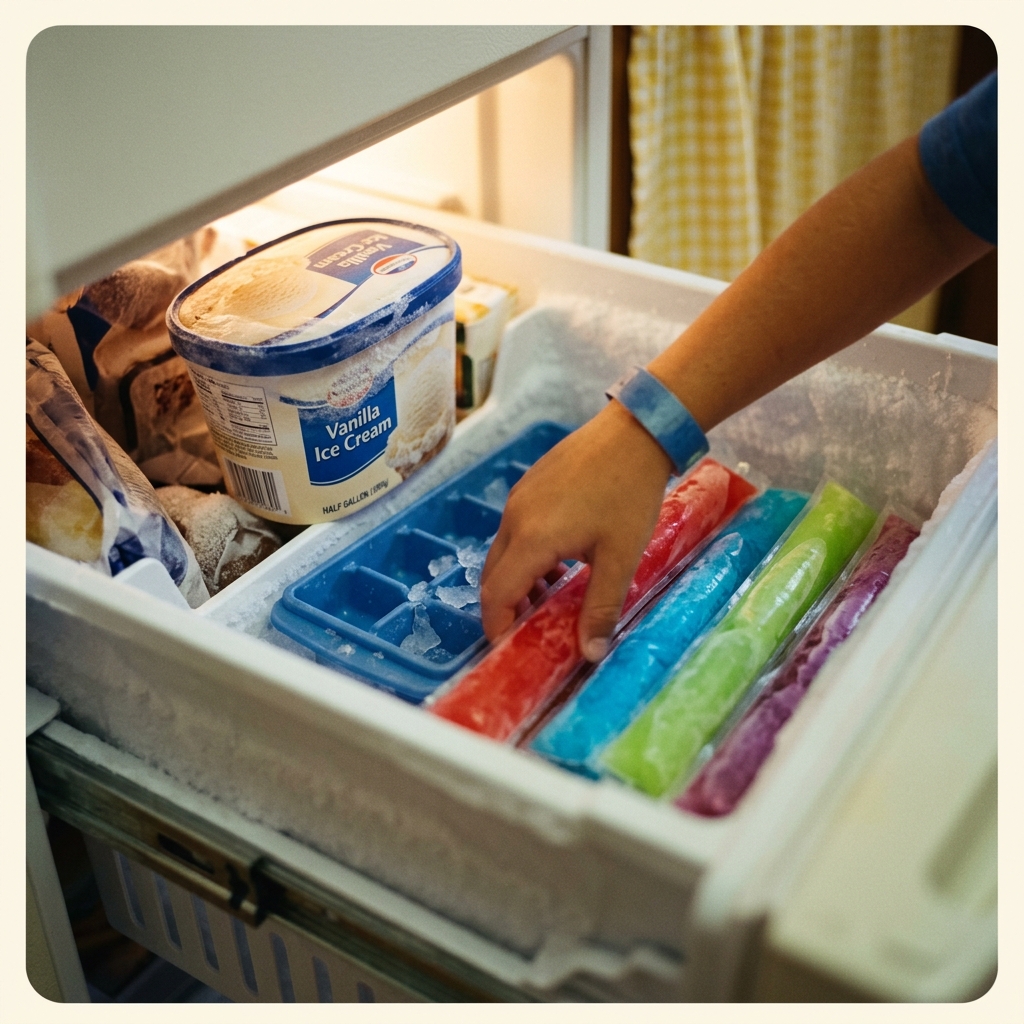
Rule 14. Snack budget = whatever you can negotiate. The negotiation was nonverbal. You stood near the kitchen with intention. The parent eventually said, "Fine, one." You took two. This was the system functioning.
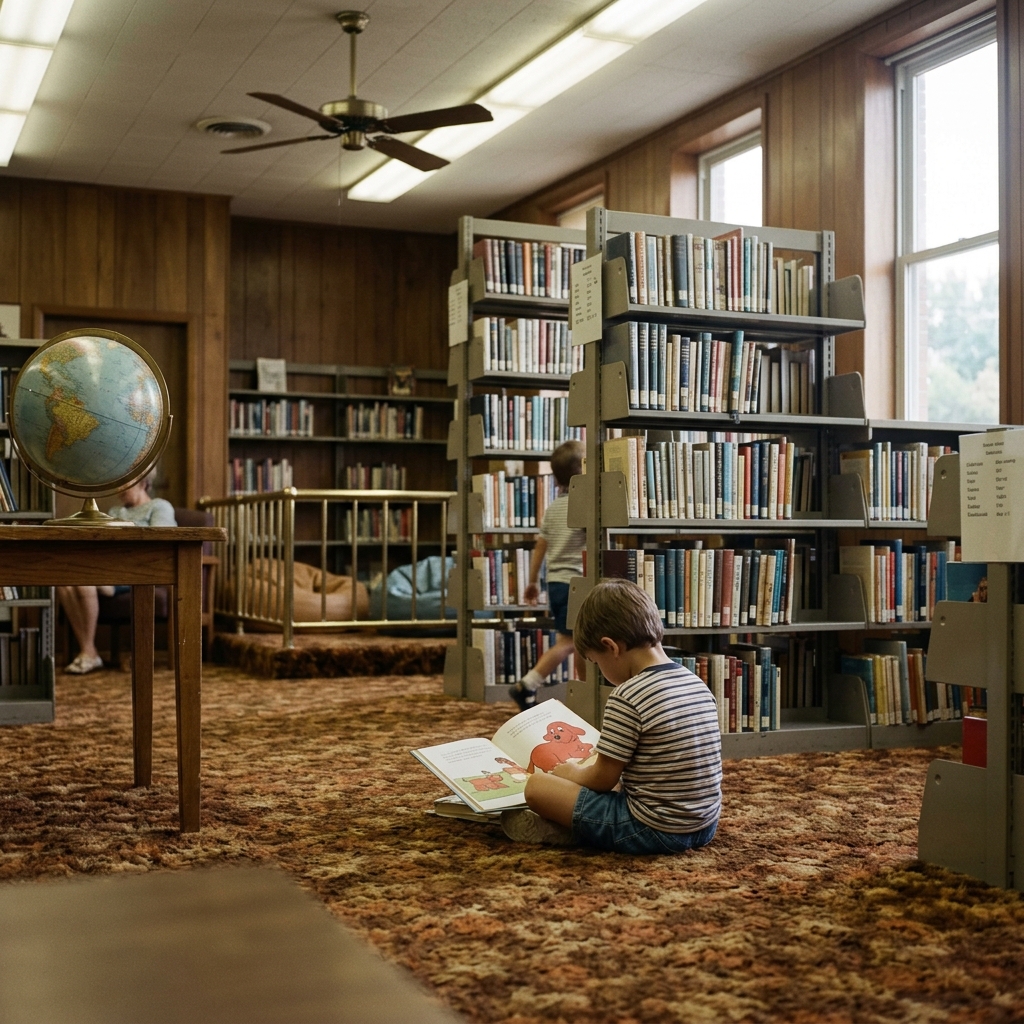
Rule 15. The library has air conditioning. Use this. Free, quiet, two-hour minimum stay, and you could check out a stack of books that nobody made you actually read. It was a refrigerator with a roof. Some kids spent entire Augusts there. They turned out smarter, on balance.
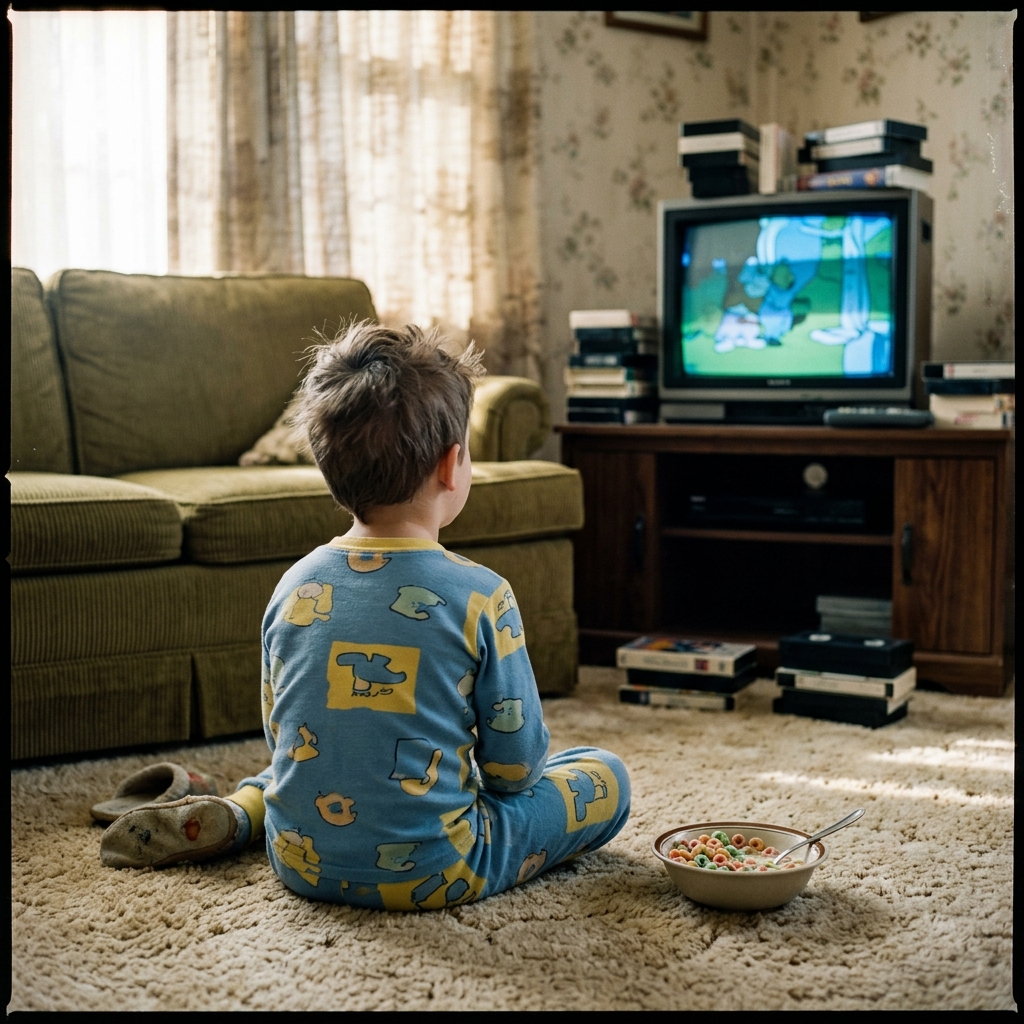
Rule 16. Saturday morning is sacred. From 7am to 11am, you were on the carpet in front of a TV and the adults were not invited. Anyone who interrupted the Saturday morning block was a domestic terrorist. This was not negotiable.
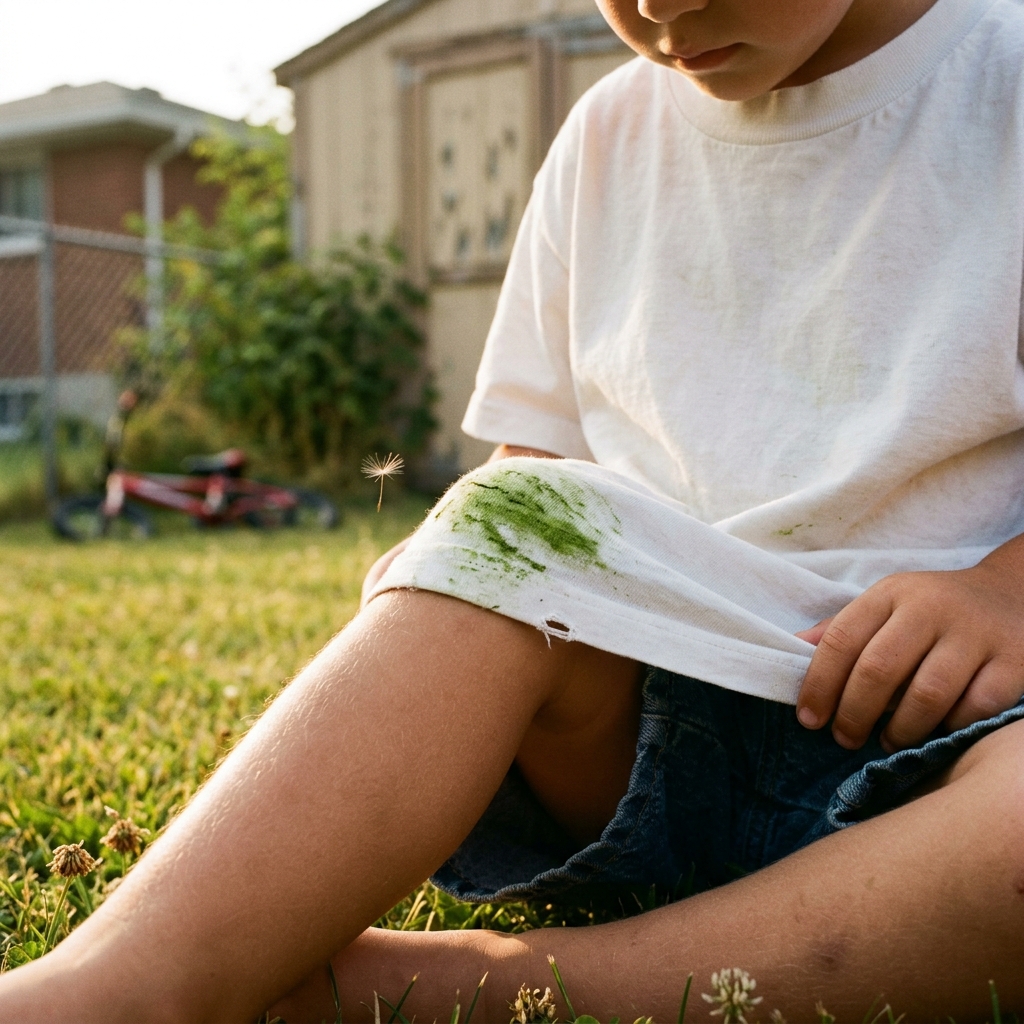
Rule 17. The grass stain is permanent. The white shirt knew the risks. Your mother was not in a position to be surprised. You wore the white shirt outside. The shirt and the grass made an agreement.
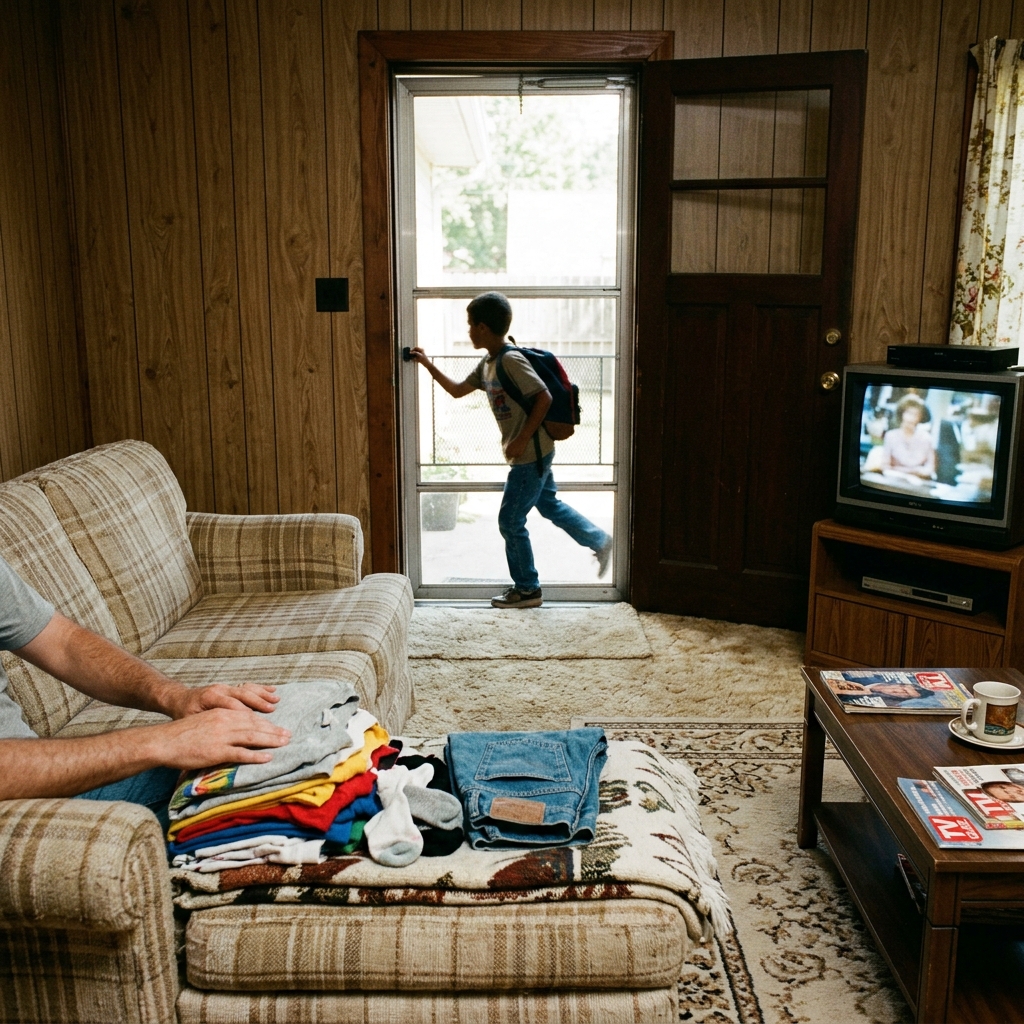
Rule 18. You don't say you're bored. "I'm bored" produced a list of chores at terminal velocity. The correct posture was "I'm leaving" — even with no destination. The destination was anywhere out of earshot.
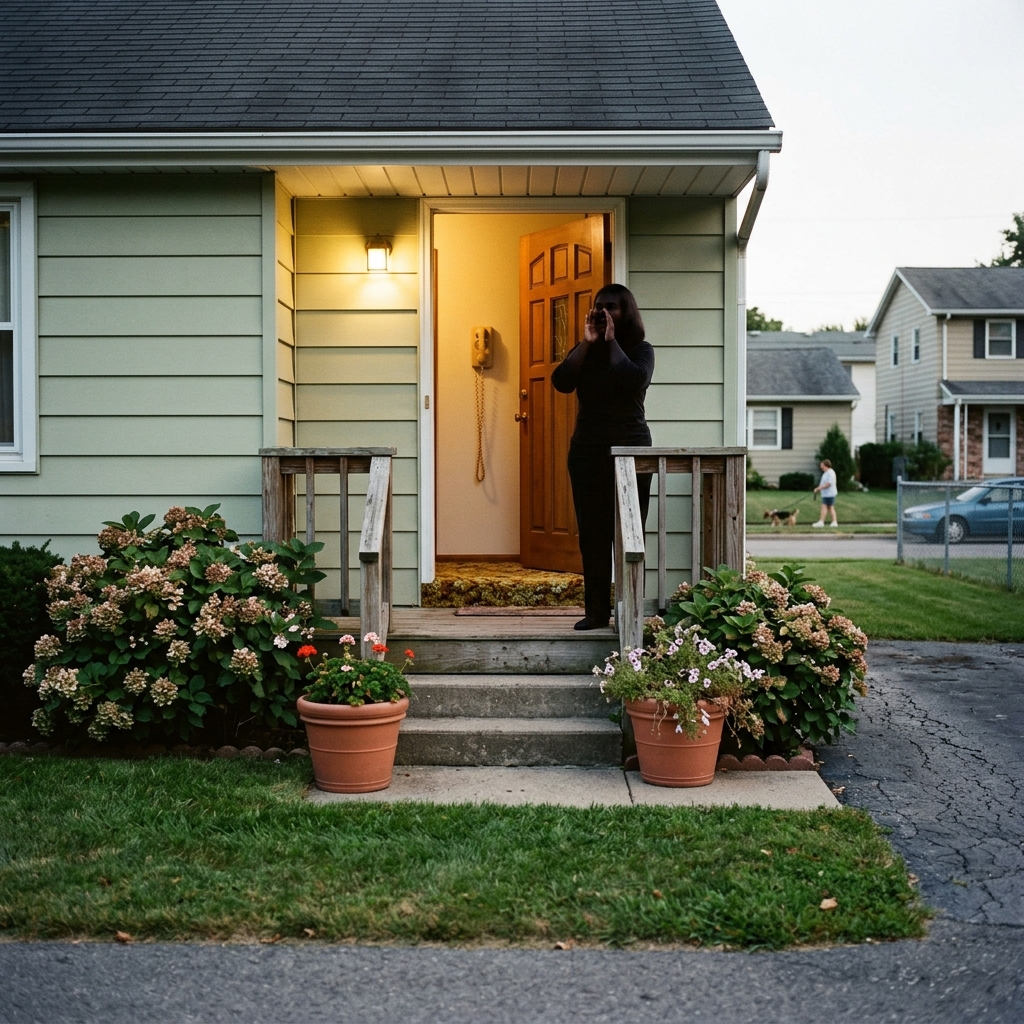
Rule 19. The neighbor's mom can yell you home. From her porch. Across two yards. With the specific operatic projection that only worked in the 1990s. This was a community alert system and it was 100% effective.
Rule 20. The streetlight rule is non-negotiable, but enforcement is variable. Some parents counted. Some didn't. You found out which house you were in the hard way. Once.
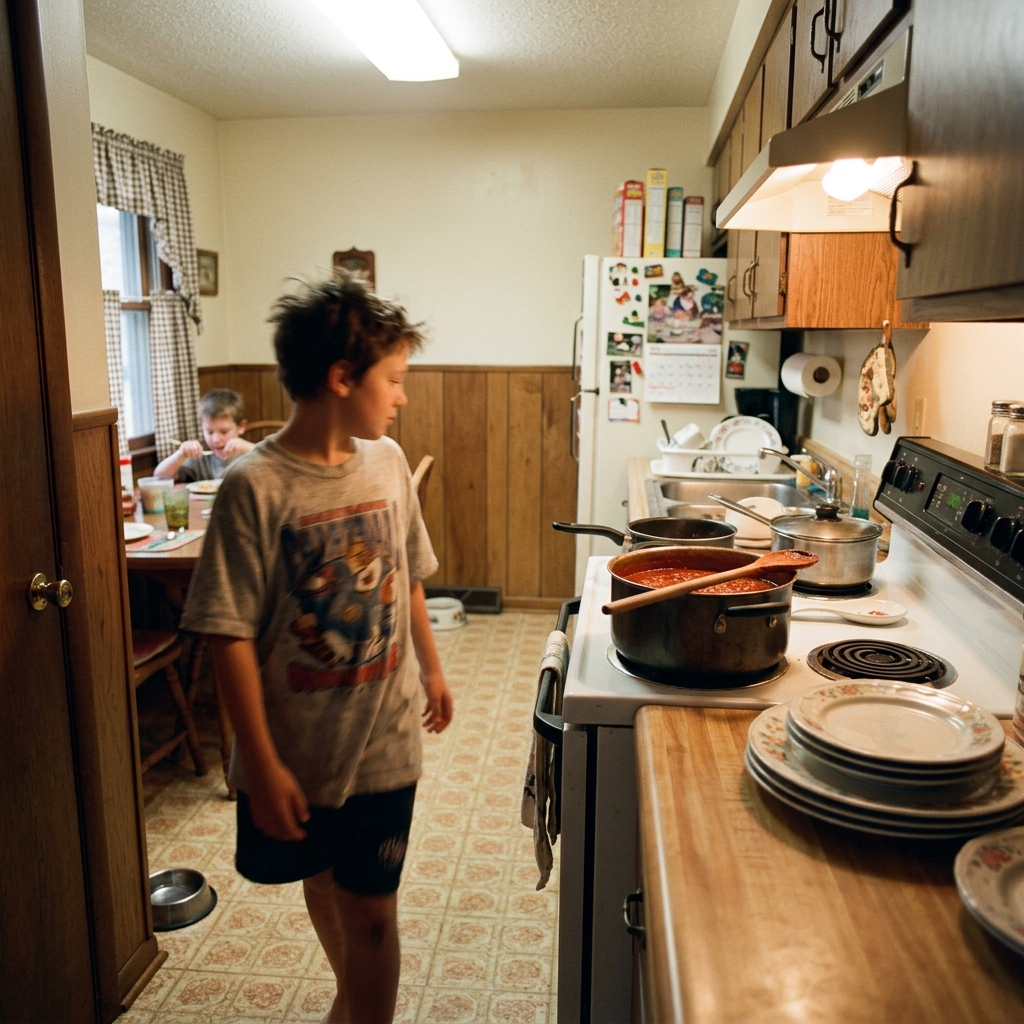
Rule 21. Dinner is whoever is in the kitchen at 6:00. The pot was on the stove. The plates were on the counter. There was no announcement. You showed up or you ate cereal at 8.
These rules were not whimsical. They were a survival system. The parents had no idea where their children were for most of the day — by design, on purpose, because they had things to do and the alternative was negotiated chaos in the kitchen. The streetlight was the only consistent enforcement mechanism, and it worked because the entire neighborhood was running the same protocol.
We did not write these down at the time because we didn't have to. Every kid knew them. Every parent knew the kids knew them. The system was self-enforcing right up until the moment somebody got a beeper, and then a cell phone, and then a tracking app, and then a parent who knew where you were every minute of every day. The streetlight stopped being the clock. The neighborhood code went out of print.
It's now written down, because somebody had to.
🖼️ Get the rules on your wall: The 90s Summer Kid Rules — print poster (coming soon)
More from the era: 37 discontinued 90s snacks, ranked and 21 90s school supplies, ranked by cafeteria social order.